Brindisi – Lanciano
On Tuesday morning Jim carefully extricated Dora from the hotel’s underground parking garage (complete with some ancient architectural remnant, carefully protected by a masonry barrier—apparently it’s impossible to excavate anything in Italy without uncovering some hunk of history) and headed north along the Adriatic coast autostrada. The heat was intense and we plodded along at 80 km per hour, keeping the truckers company, while Fiats, Renaults, VWs, and smaller traffic whizzed by at 110 – 130 kph. The last few days of driving were neither fun nor scenic, but we were looking to get off the road, so we chose the fastest way open to us.
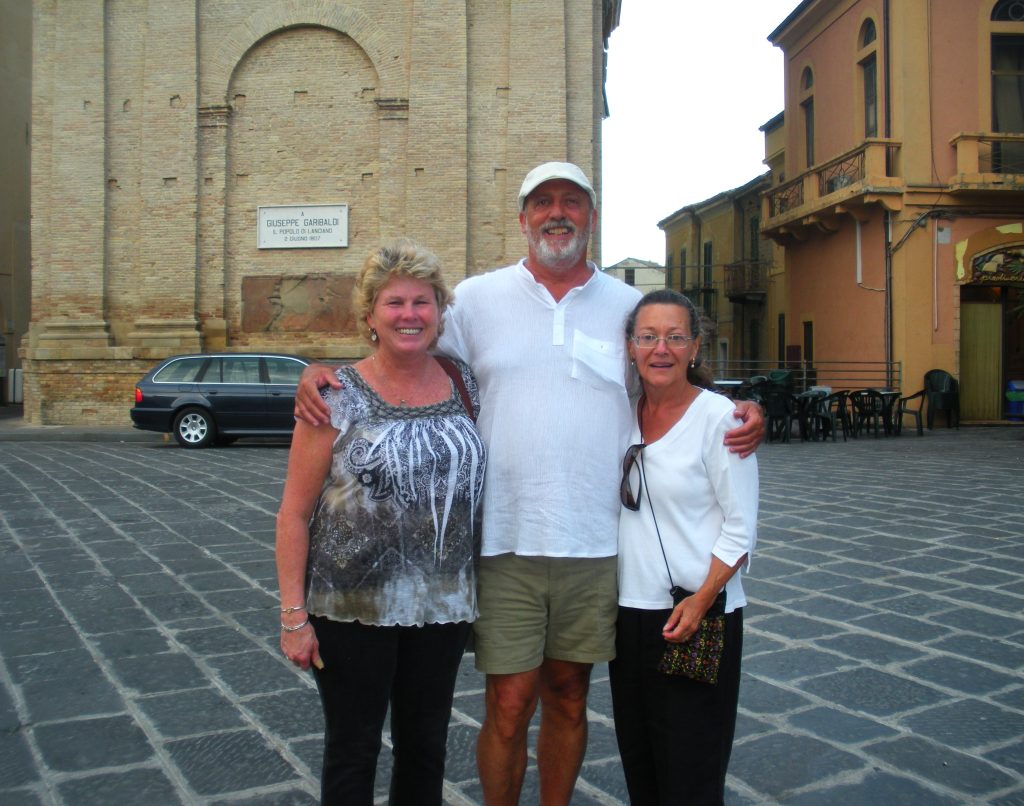
A flat, arid landscape, enormous cacti sprouting masses of globular fruit, and date palms gave way to gentle, green hills by afternoon. We found Lanciano deep in riposo at 2:30 in the afternoon, but our friend Linda walked out to meet us and guide us through the narrow streets of the medieval town. After a rest and a little snack, at 6:00 we joined the passeggiata, a customary evening promenade through the town, with stops for aperitivi, gelato, coffee or tea, and finally, dinner.
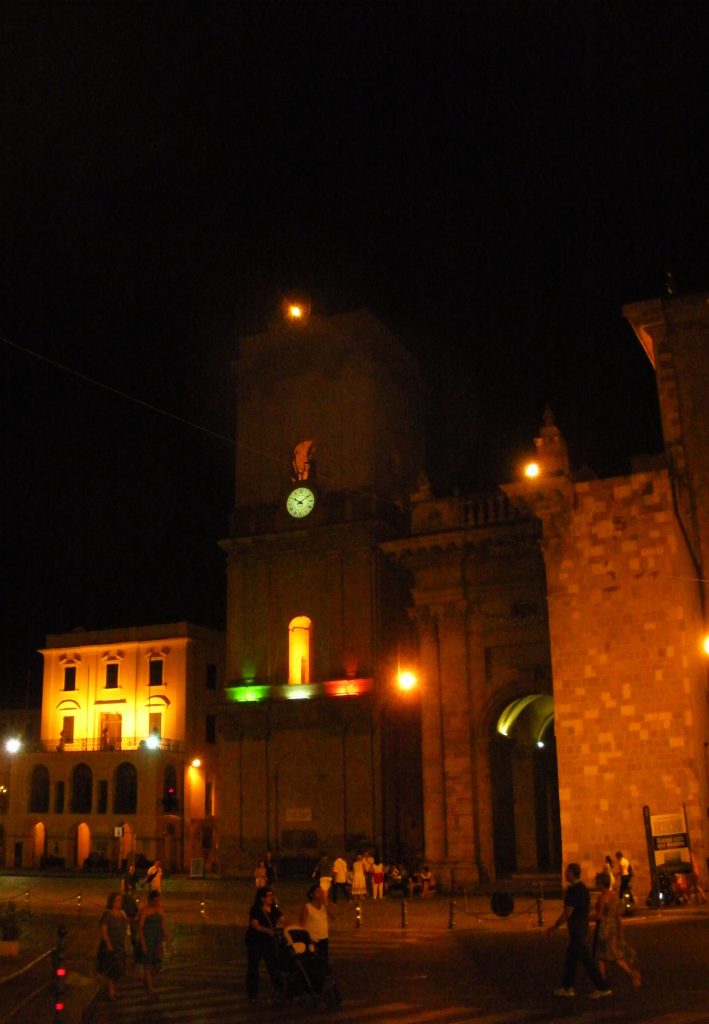
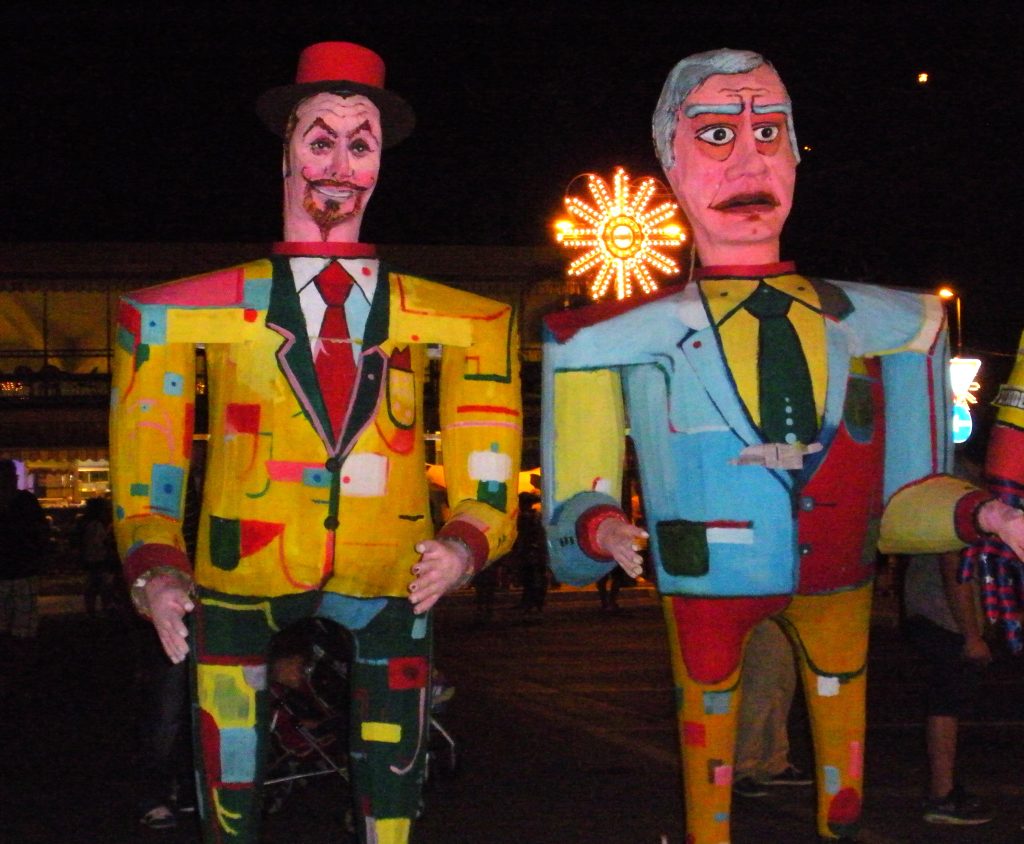
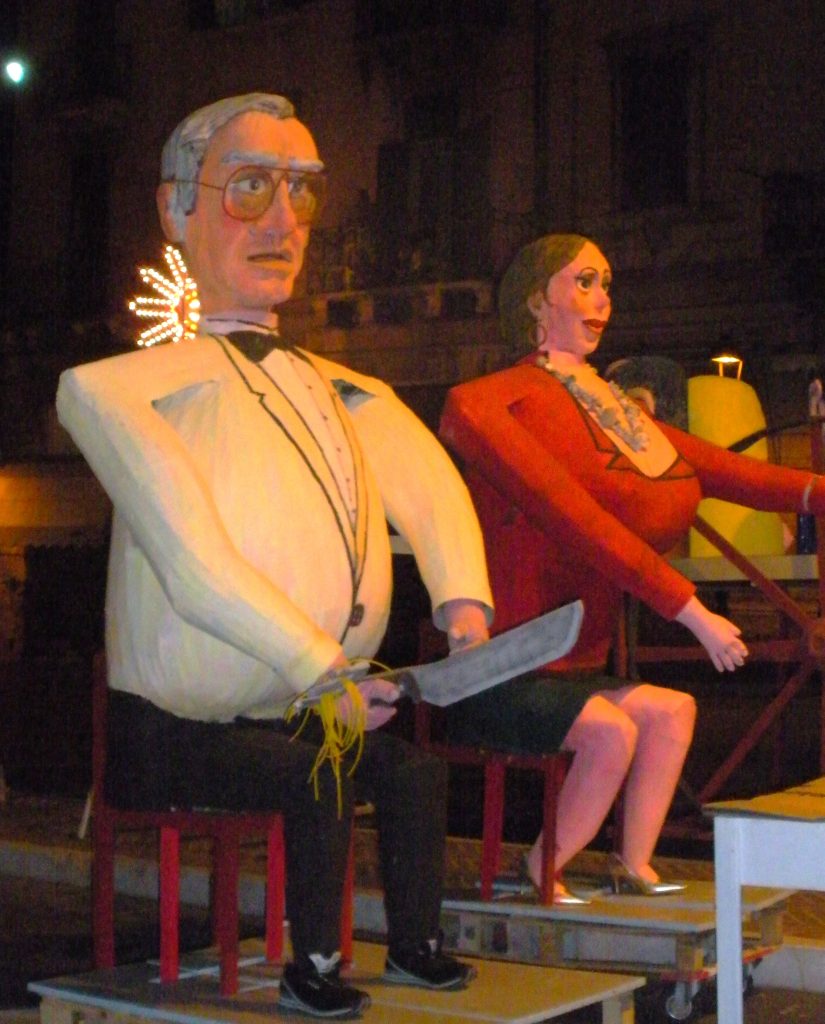
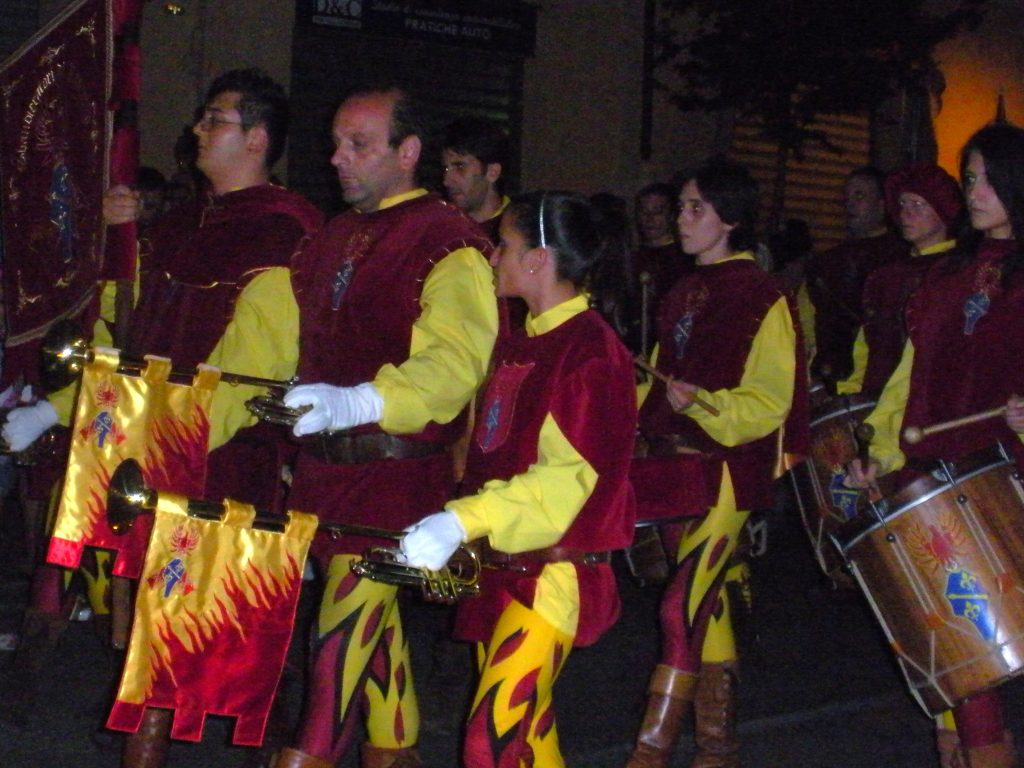
On our way back to Linda’s we crossed the main square, Piazza Plebescita, where several oversized figures of papier-mache stood, wired to fireworks for a grand display. We never learned the significance of the figures or the considerable ceremony their pyrotechnics brought to crescendo, but it was all great street theatre. A band of young men and women in medieval costume came marching into the piazza, playing early musical instruments and performing acrobatic maneuvers with long-handled banners. It was as stirring as it was mystifying, and I was struck by the thought that Lanciano’s daughters and sons have probably been performing these same rituals for many centuries.