From Hotel Mediterraneo
We are sitting on the porch that fronts our room at Hotel Mediterraneo in Dar es Salaam, two divans in an ell with a glass-topped table at the corner. It is raining softly and birds are calling from the trees in the garden. The sun was bright and hot just an hour ago when we were at breakfast, and this shower may not last long. Meanwhile, we are under cover and the rain brings a faint cooling breeze.
We are sitting on the porch that fronts our room at Hotel Mediterraneo in Dar es Salaam, two divans in an ell with a glass-topped table at the corner. It is raining softly and birds are calling from the trees in the garden. The sun was bright and hot just an hour ago when we were at breakfast, and this shower may not last long. Meanwhile, we are under cover and the rain brings a faint cooling breeze.
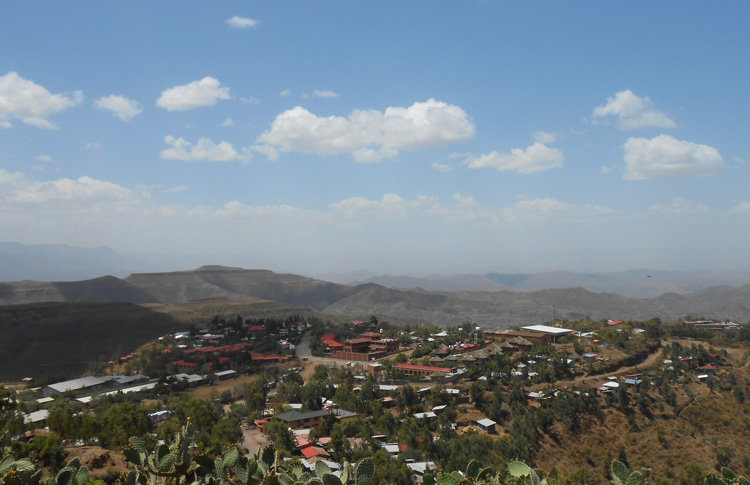
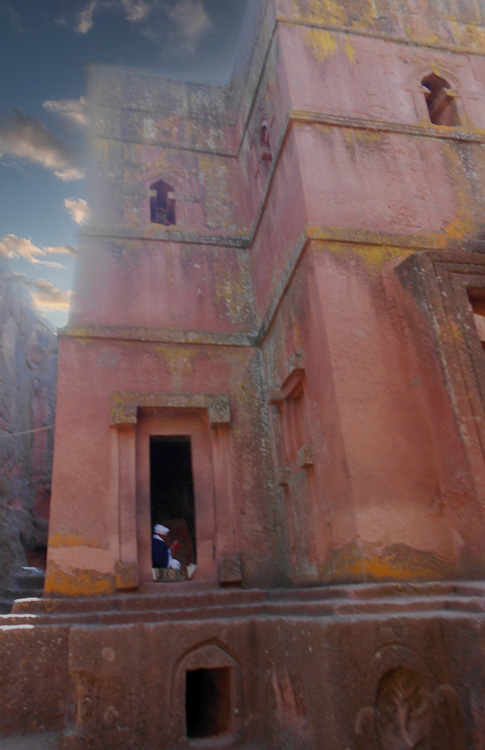
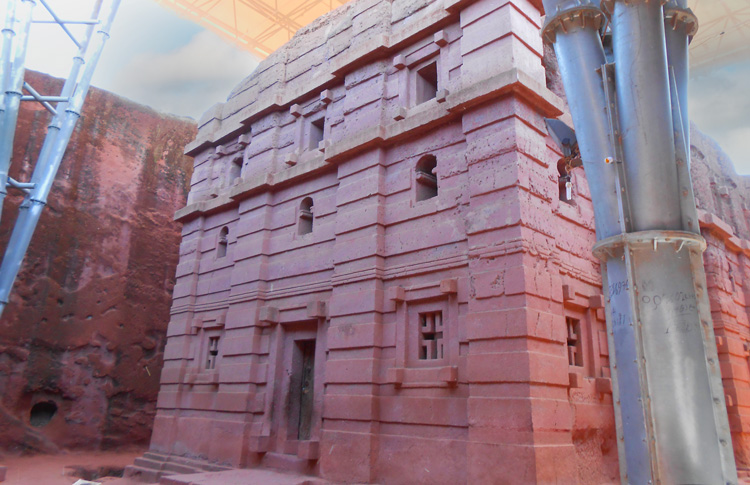
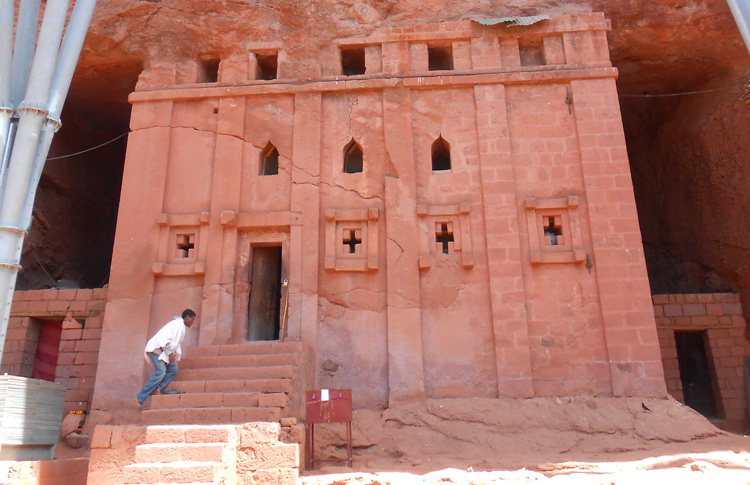
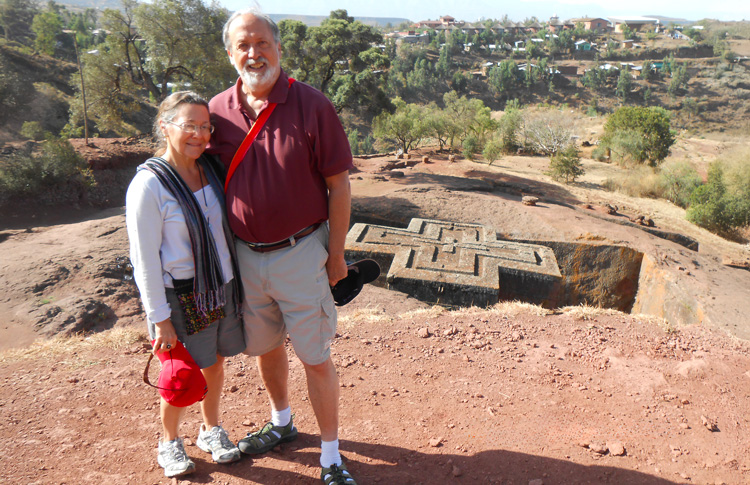
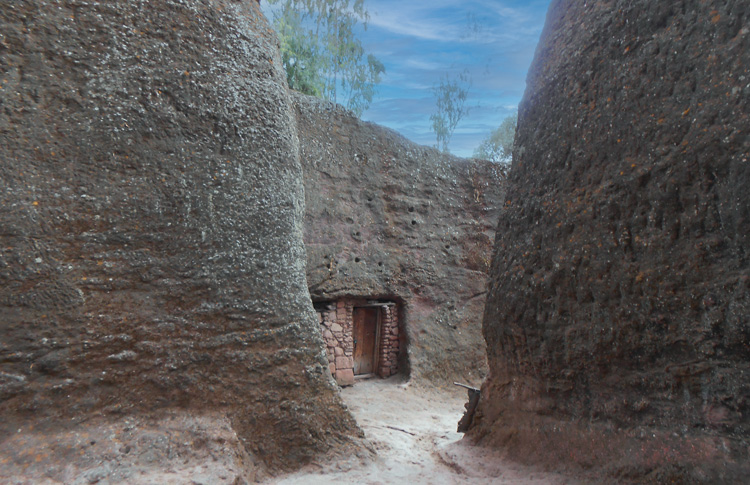
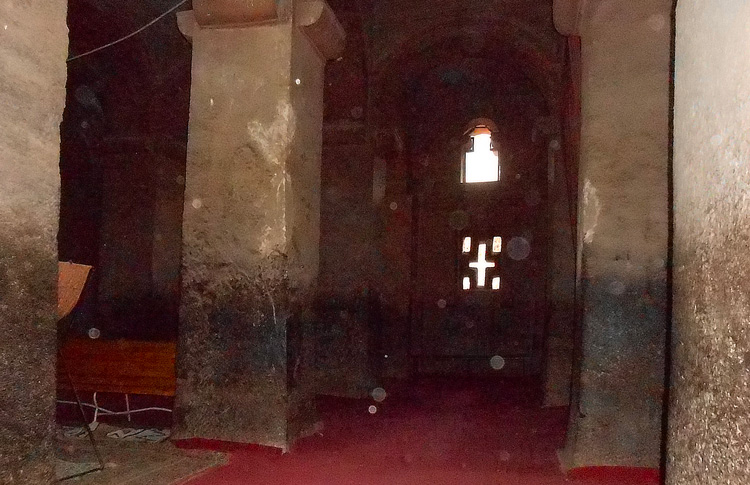
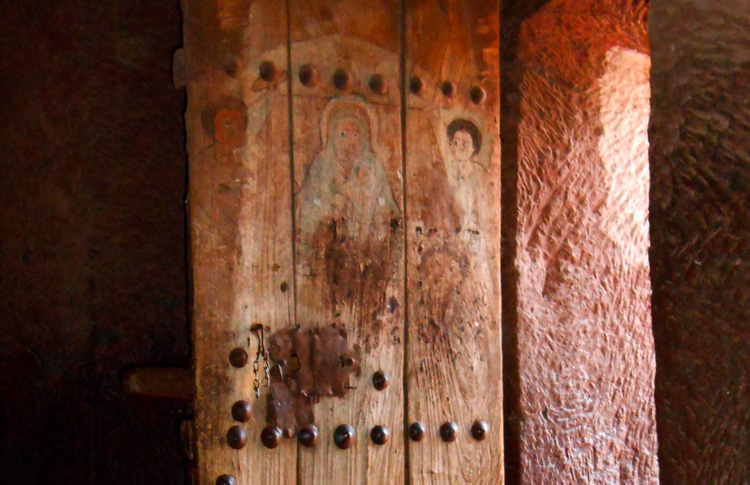
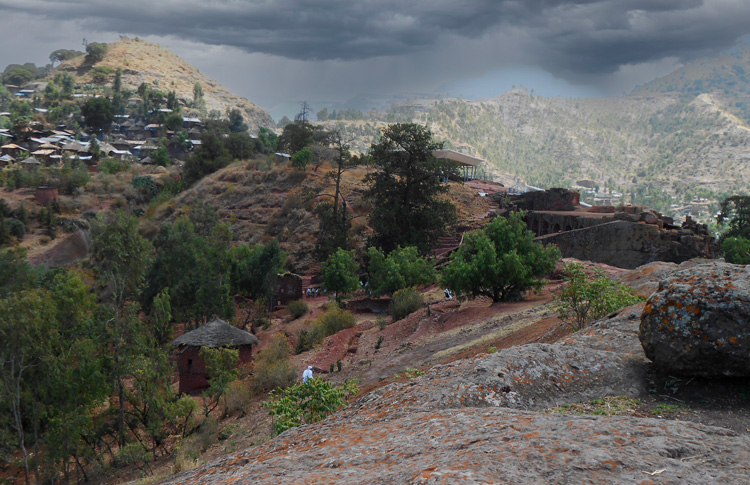
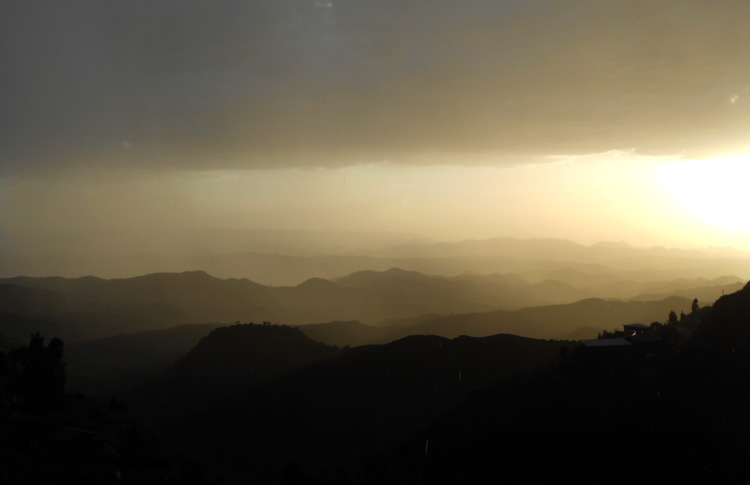
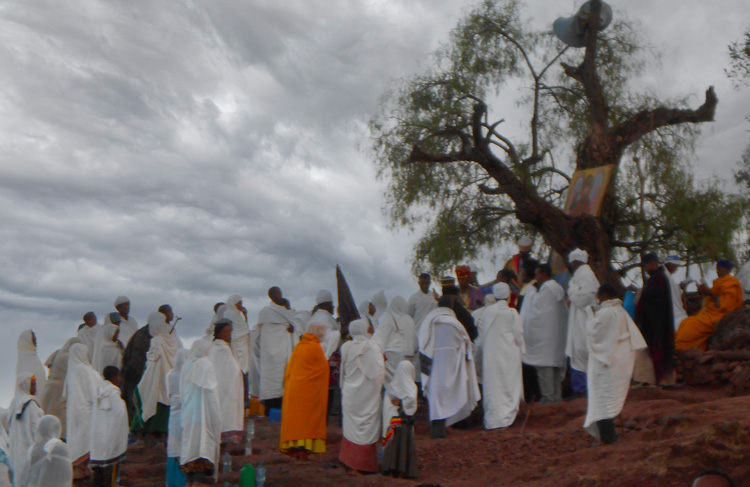
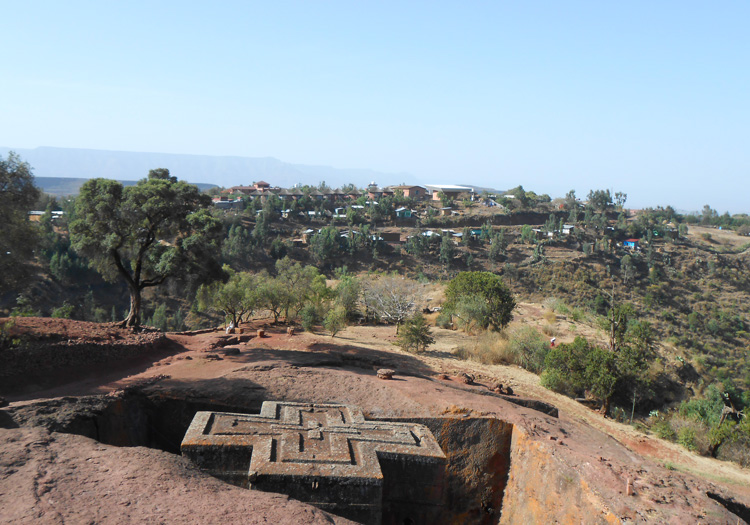
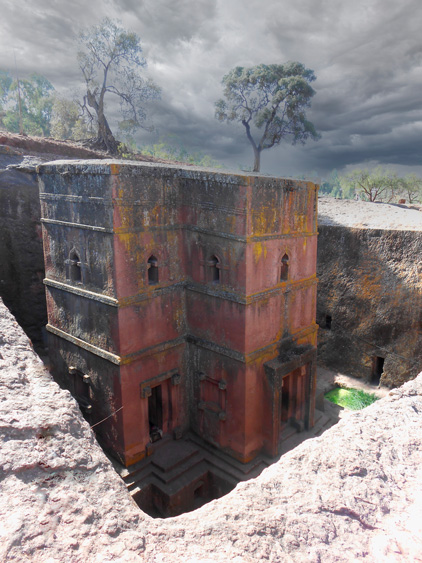
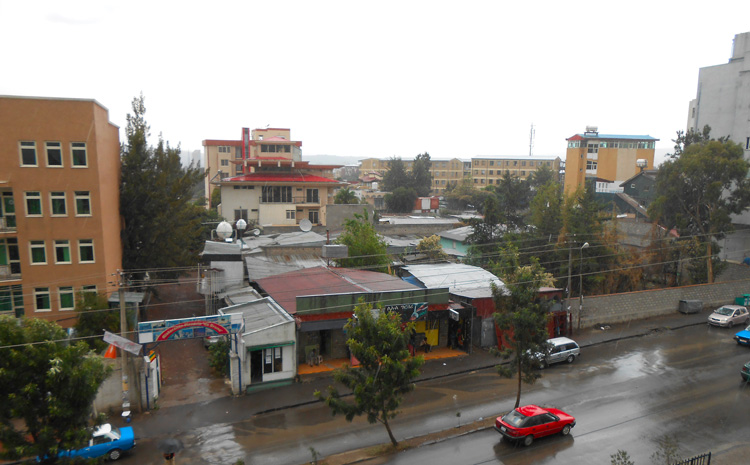
I arrived Addis Ababa on Sunday 17 March with a bad cold, so I rested Monday and Tuesday while Jim finished his work. Wednesday I felt much better, and we took off for two days at Lalibela, a 40-minute flight from Addis. Lalibela is named for a king who ruled at the cusp of the 13th century; it is a UNESCO World Heritage site of more than a dozen churches, monasteries, and other buildings carved from solid rock. Scholars debate the age of these extraordinary structures, dating some as early as the 7th century, and legend says that angels carved them. Touring the buildings, seeing the precise corners and regular dimensions, the monumental scale of vaults and domes, this explanation seems quite reasonable.
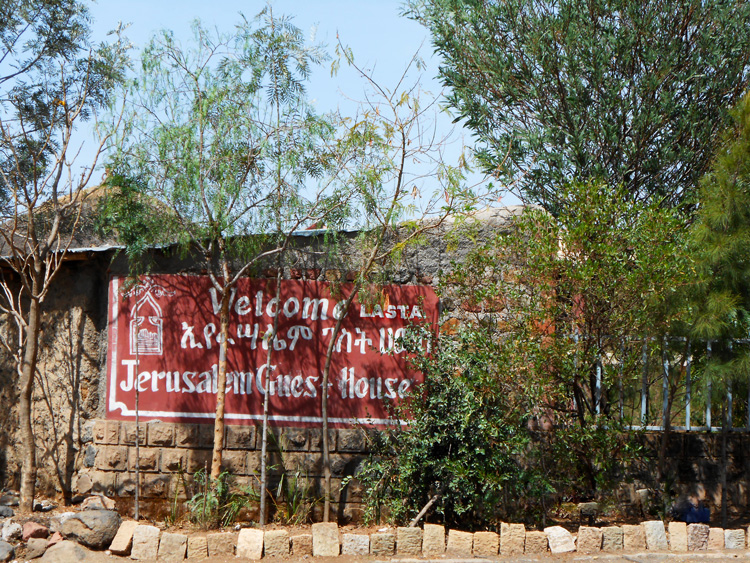
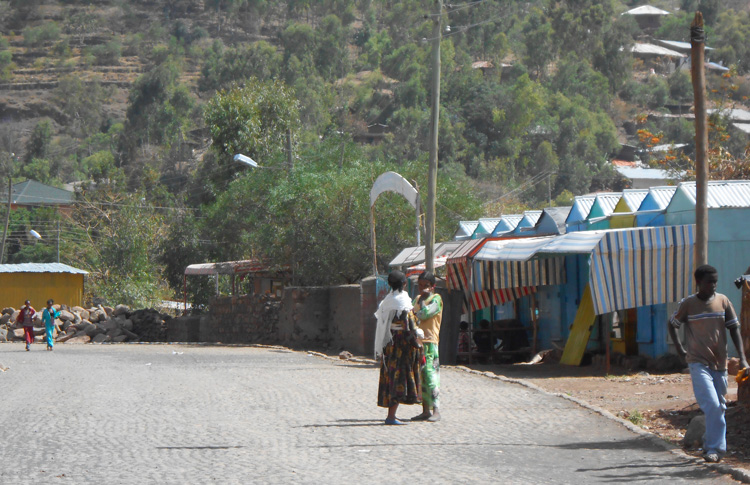
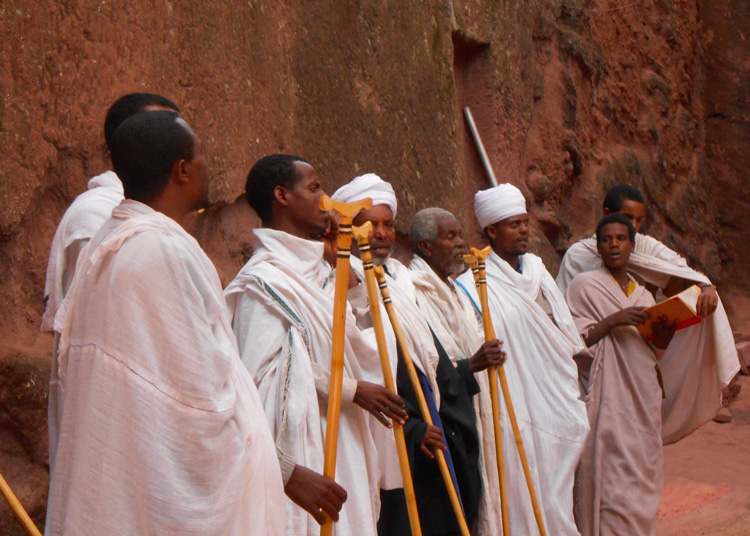
The churches are still in daily use. We were fortunate to be in Lalibela on St Michael’s day, and our guide, Gashaw, offered to take us to church with him early that morning. Throngs of worshipers, heads and shoulders wrapped in white shawls against the morning chill, crowded roads and hillsides and waited quietly for a turn to press themselves against the stone of St Michael’s church. When we returned later, after breakfast and the end of formal services, we found groups of men chanting holy verses outside several of the churches, and solitary nuns and priests at prayer in shaded courtyards or niches in the church walls.
Back in Addis on Friday, we visited friends and Jim’s colleagues from previous projects. Saturday was cold and wet, so we retreated to the Hilton for some barbering and salon services. Our flight from Addis to Dar left late Sunday night; we were asleep under our mosquito-net canopy at Hotel Mediterraneo by four o’clock Monday morning. After breakfast we shopped for warm-weather clothing at the Slipway, where we happened to meet a friend from Tbilisi days—Nathalie and her family now live in Dar as her husband works here with IMF. We had lunch together and hope to get together again before Jim and I head home to Mondovi on 10 April.
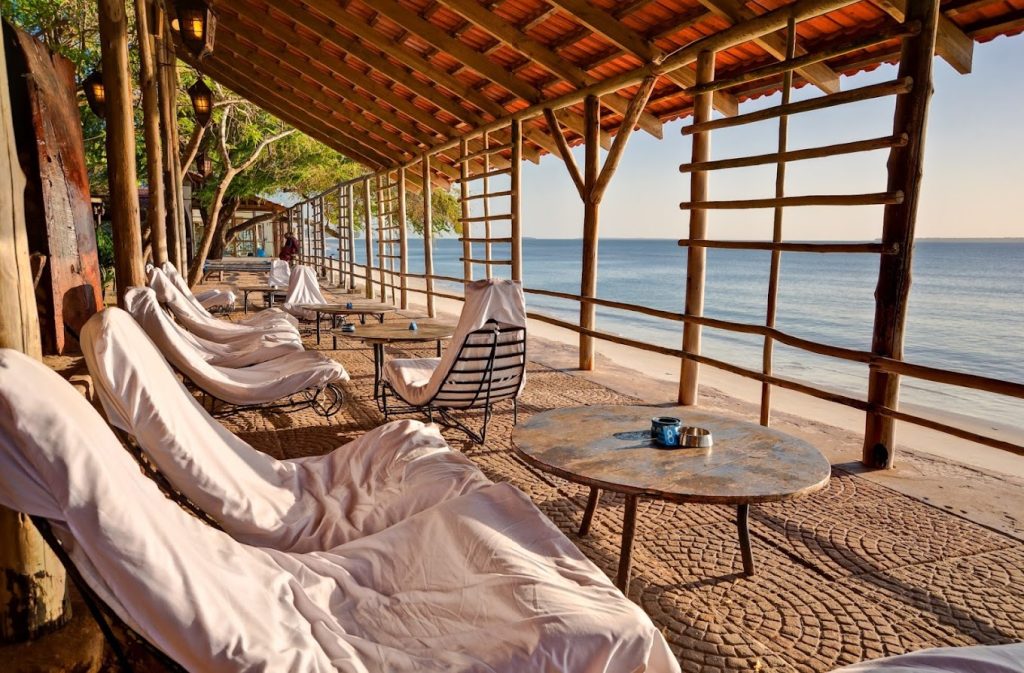
Yesterday we took a day excursion to Bogomoyo Island, a nature preserve with several small beaches, one of which offers all the amenities—shelters, sun beds and chairs, fresh-caught seafood for lunch. After lunch one of our hosts invited us to walk through the kitchen to see some big lizards in the bush. Then we settled in to snooze in the shade, alternating with dips in the warm, clear water until the boatmen said rain was coming and it was time to go back to the mainland.
Tomorrow we plan to fly to Zanzibar for a few days and then to Arusha, near Kilimanjaro and the border with Kenya, where Jim will visit a teachers’ college where he would like to volunteer annually from January – April, simultaneously escaping winter in Mondovi and doing some interesting work.
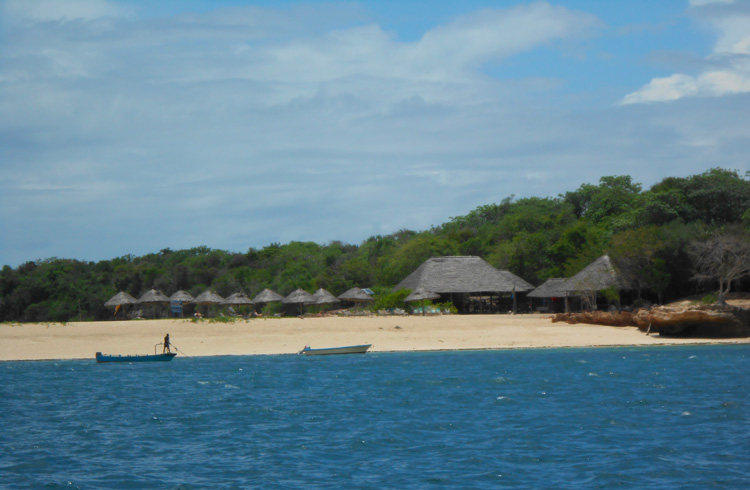
Bogomoyo Beach
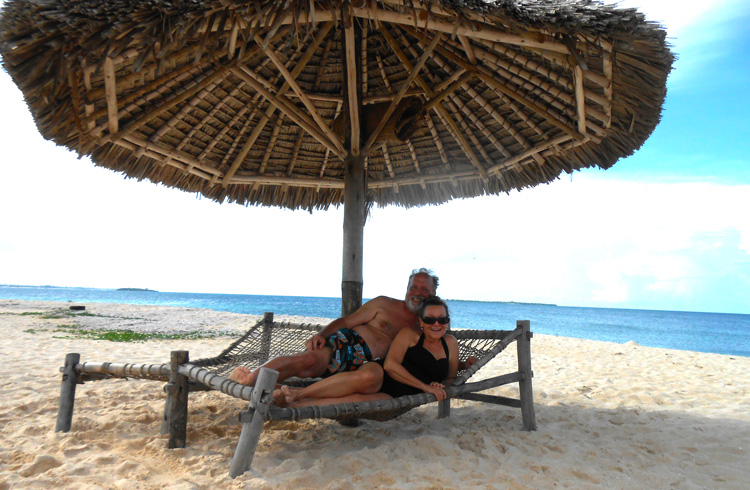
L&J, Bogomoyo
I’ll write again from one place or another. Until then, we wish you all spring weather and happy holidays.
Love,
Leslie