October, November, December
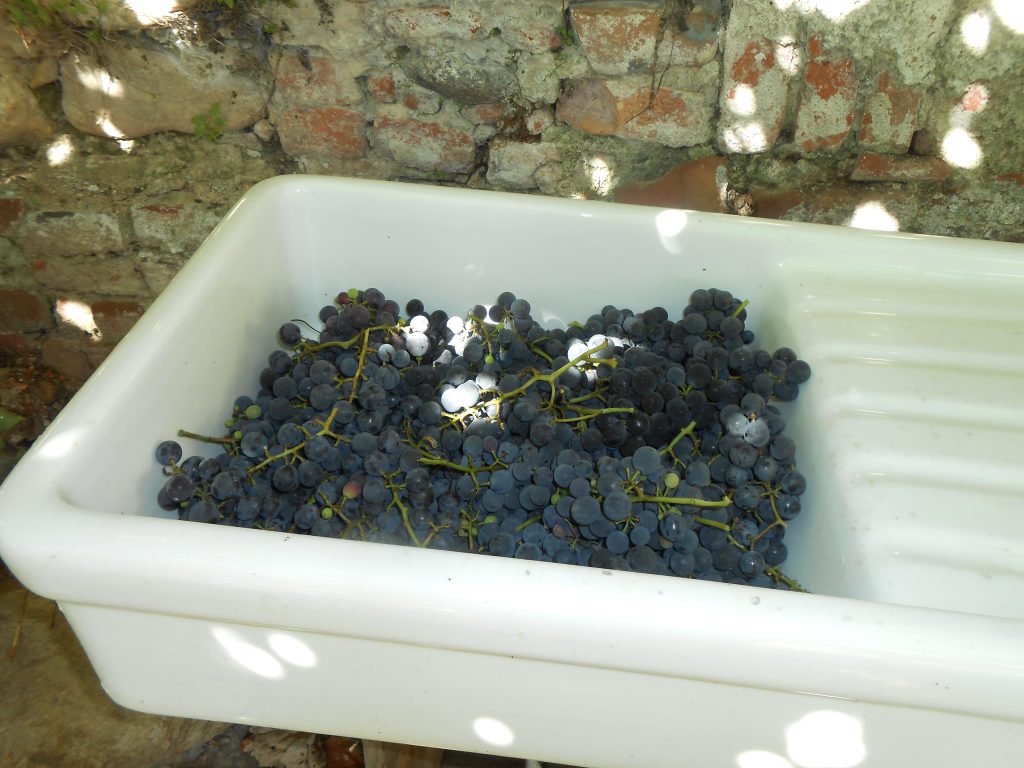
Once the house and land belonged to us we began exploring, clearing out, caring for, and taking full possession in every sense: physical, emotional, spiritual. The former owners had removed most everything of any value, which still left quite a lot that we didn’t need or want. We found local movers to cart away furniture; scores of old wine bottles; framed pictures and old calendars; miscellaneous objects in wood, metal, and glass. We kept some things: nice old fabric, odd bowls and glasses, a white porcelain sink and drainboard, big baskets woven of wooden splints, sturdy wooden crates, a set of handmade rush-bottomed chairs. We swept out the rooms and Jim made a base camp in the old kitchen with found furniture and a small woodstove, a gift from our landlord in via Vico. The old cantina, with a dirt floor and vaulted brick ceilings, had built in shelving from floor to ceiling. The shelves and uprights were well-made and in good condition; our architect said they were chestnut wood. Jim cleared the shelves of countless twists of wire, jars of screws and nails, old electrical cords, bits of everything one might imagine coming in handy someday, or not. Then he dismantled the structures, labeling the pieces for future reassembly. Today in our new cantina at cellar level, those shelves hold crates of canning jars, bottles of wine, baskets of kindling, and seasonal objects not currently in use (fireplace tools and bird feeders in summer, fans and the outdoor shower in winter). The porcelain sink is down there too, fully plumbed and functional. I had pillow covers made from the nice striped fabric. We like the sense of continuity, communion with the people who’ve been here before us.
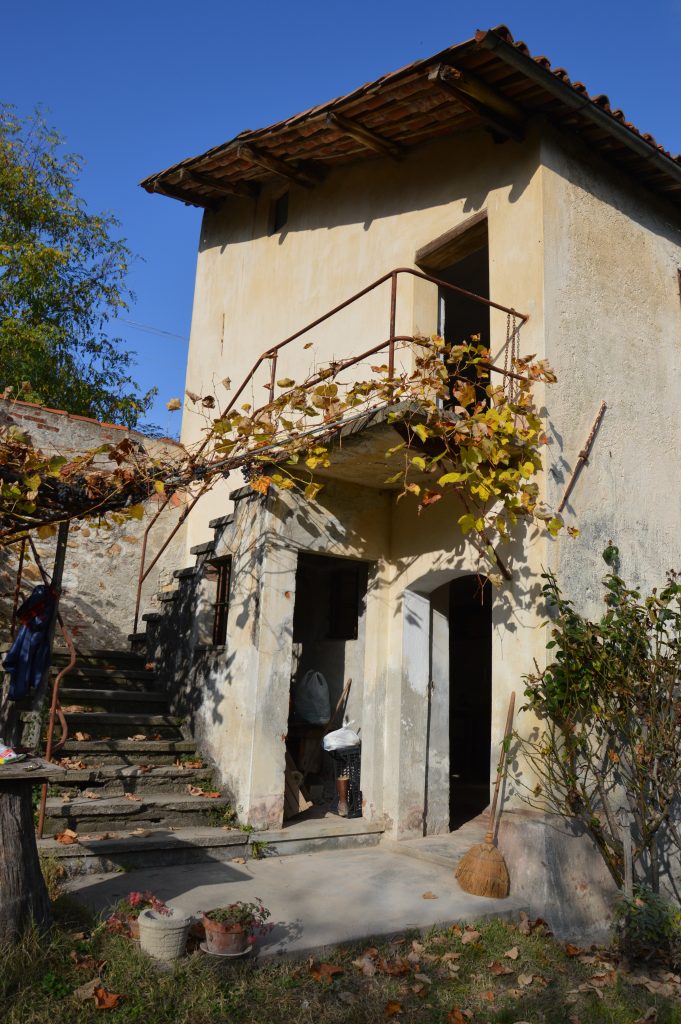
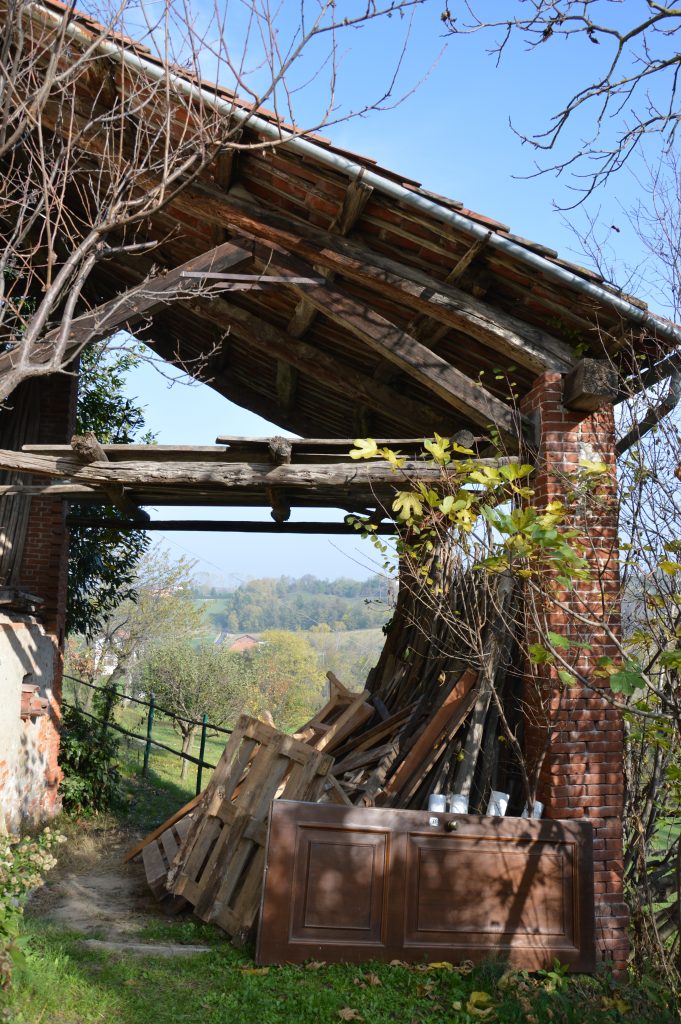
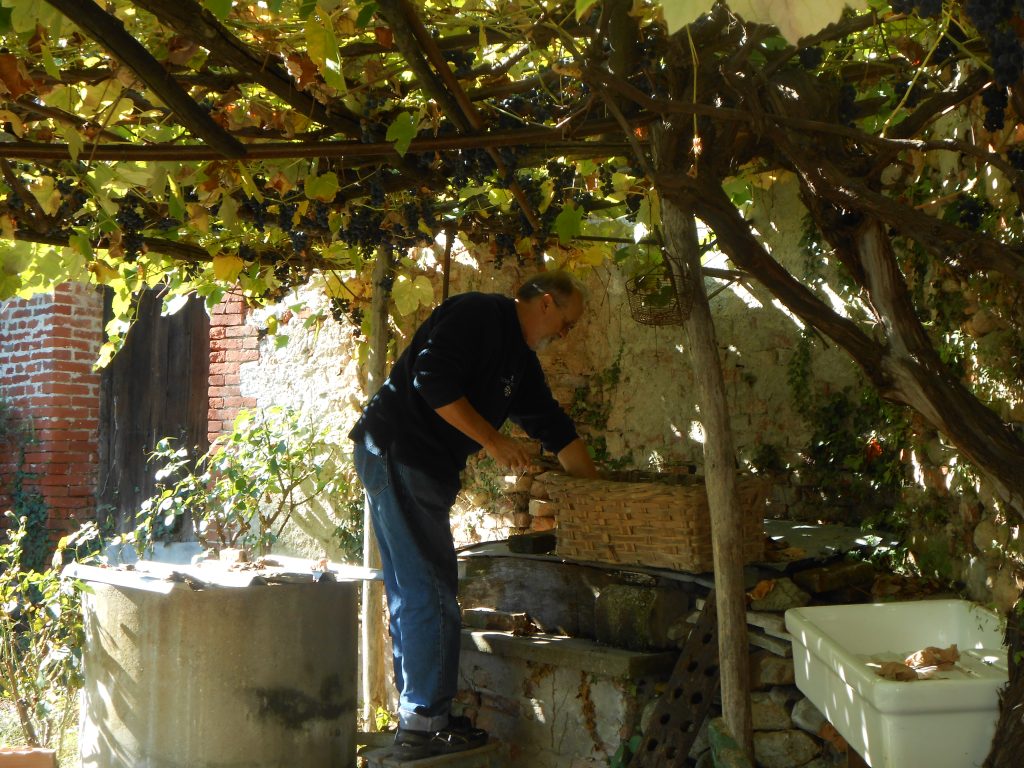
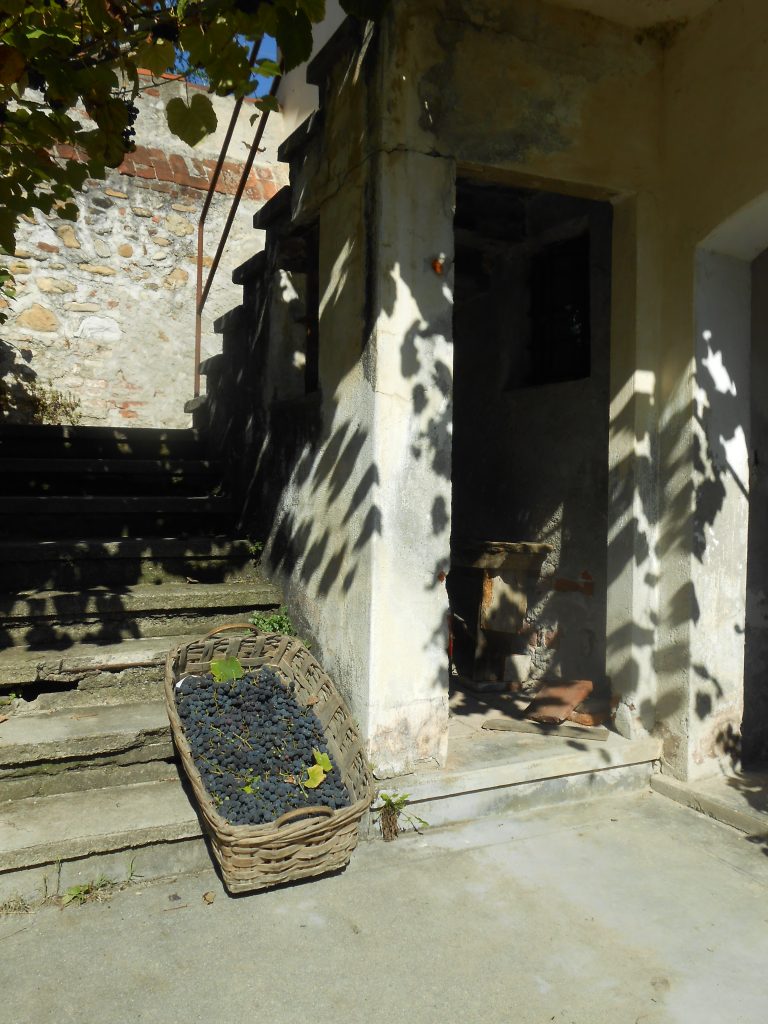
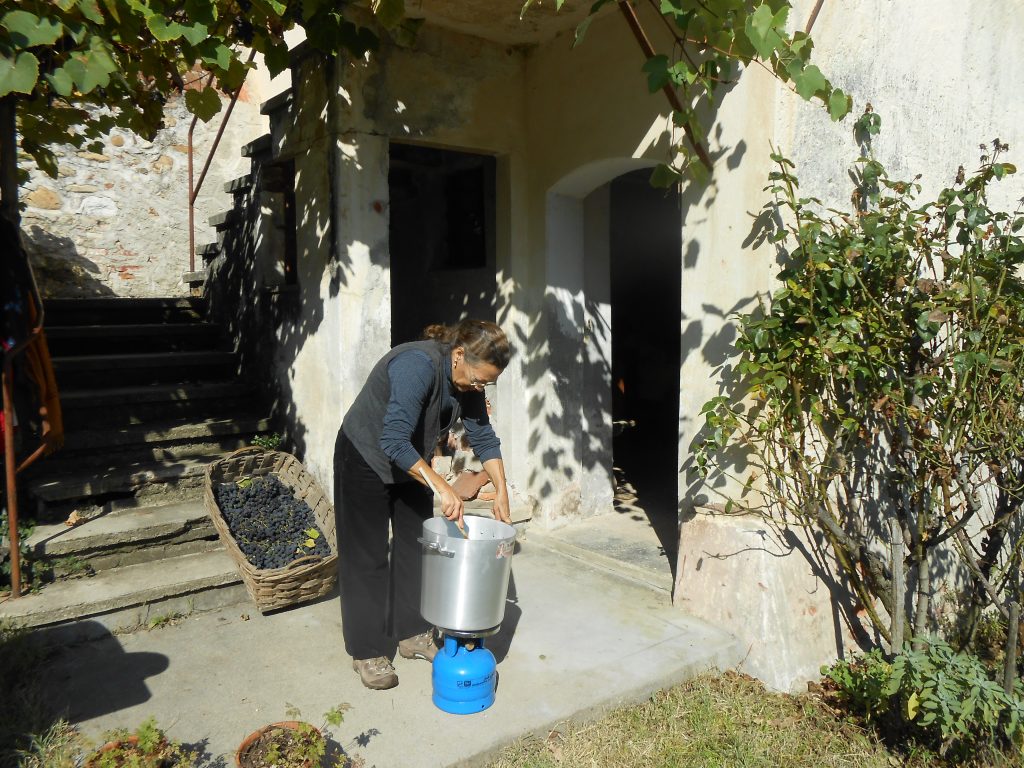
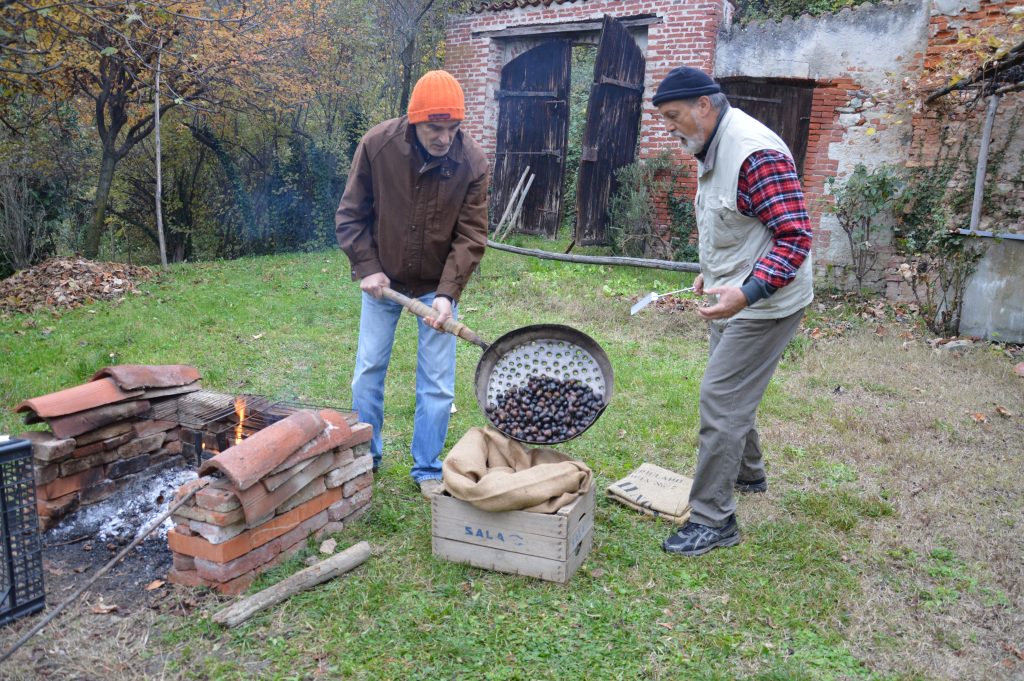
In October we harvested bushels of Concord grapes from our pergola and made grape juice. We celebrated our 28th wedding anniversary in early November; later in the month our friend Paolo came and taught us how to make a caldarrosta, chestnuts roasted in a wide, perforated skillet over an open fire. The nuts were a staple of the traditional Piemontese diet, and the wood is still used in building. Chestnuts are so abundant it’s easy to walk along a roadside or a woodland path and pick up enough for a caldarrosta in less than an hour.
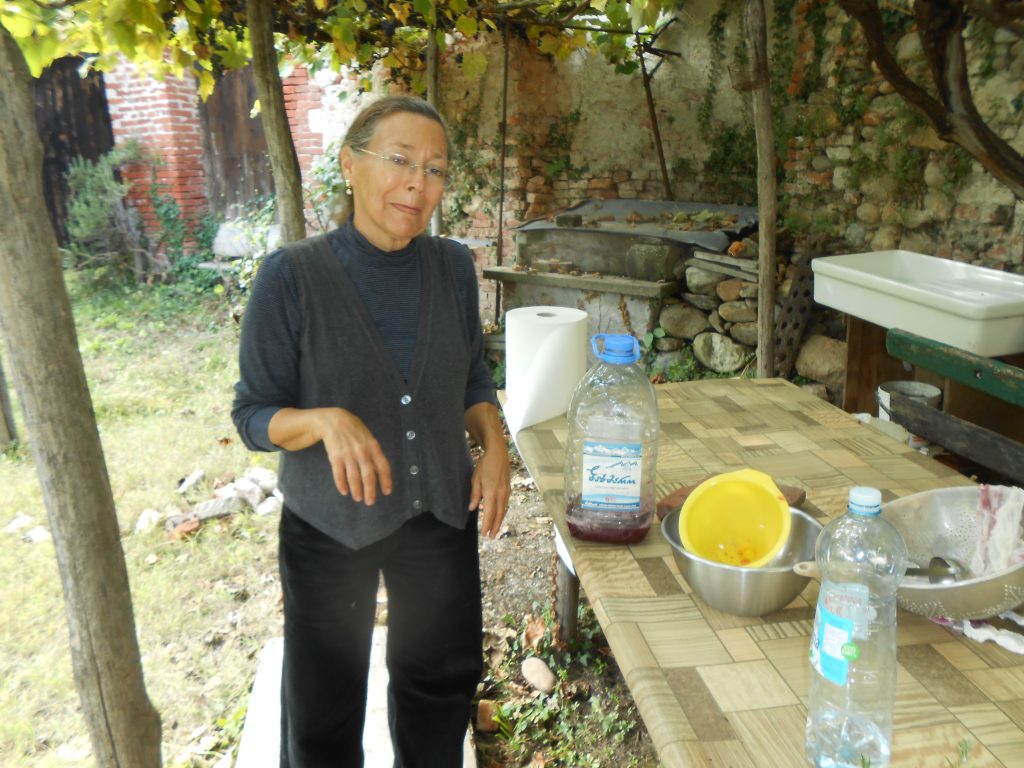
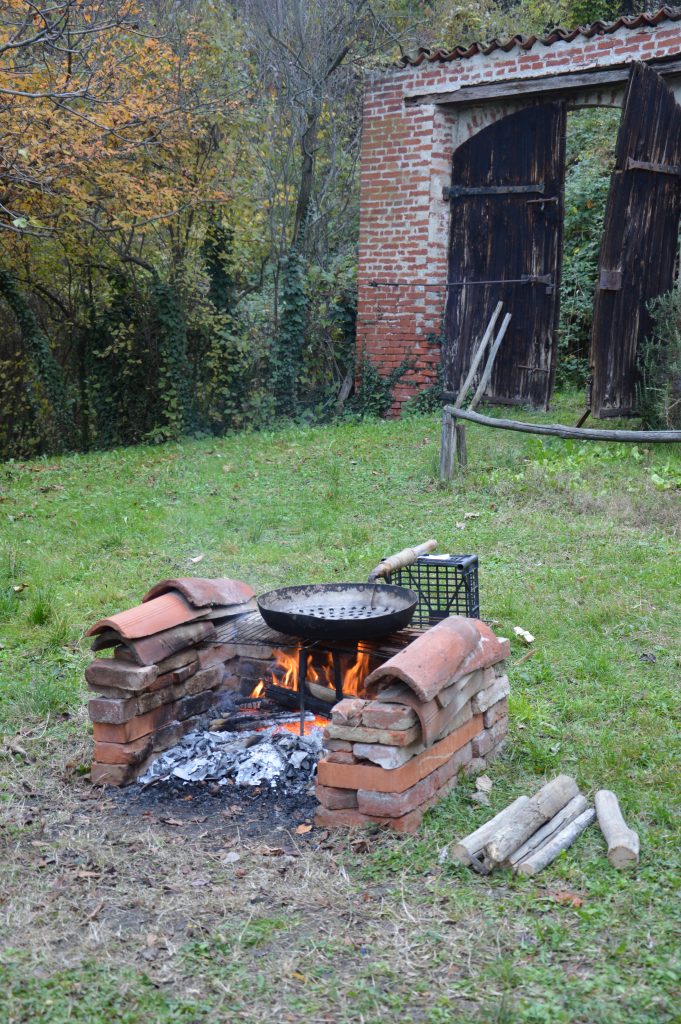
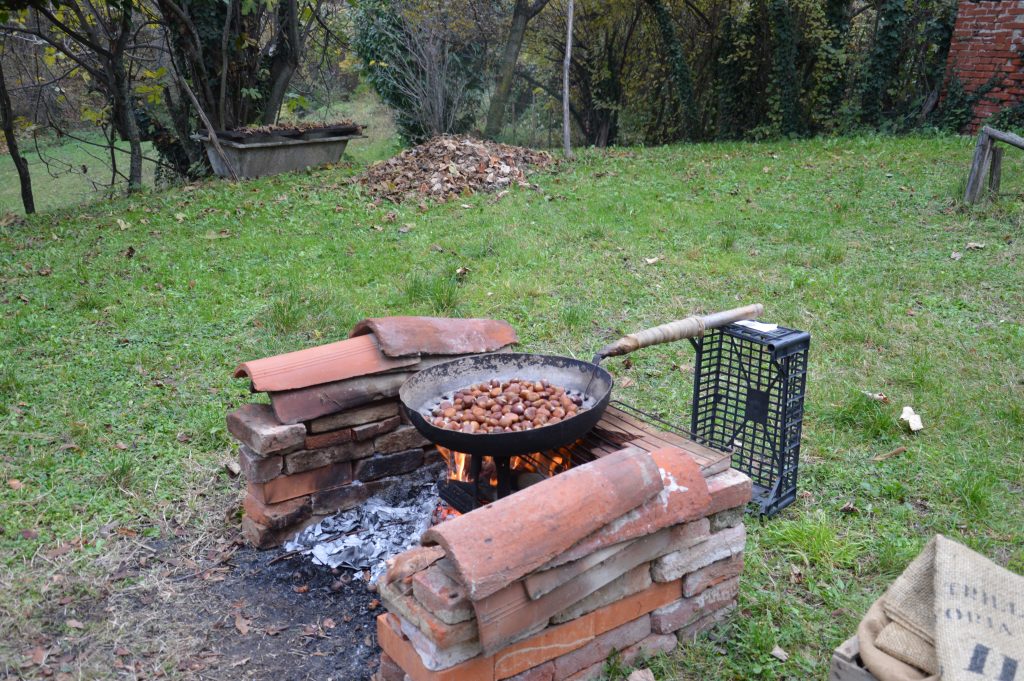
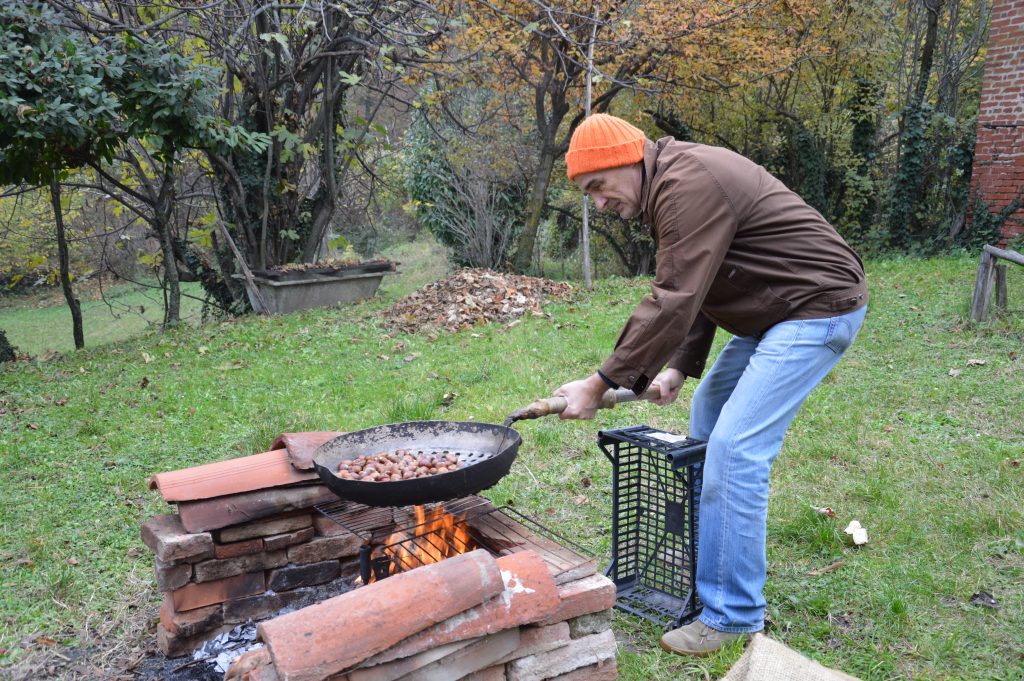
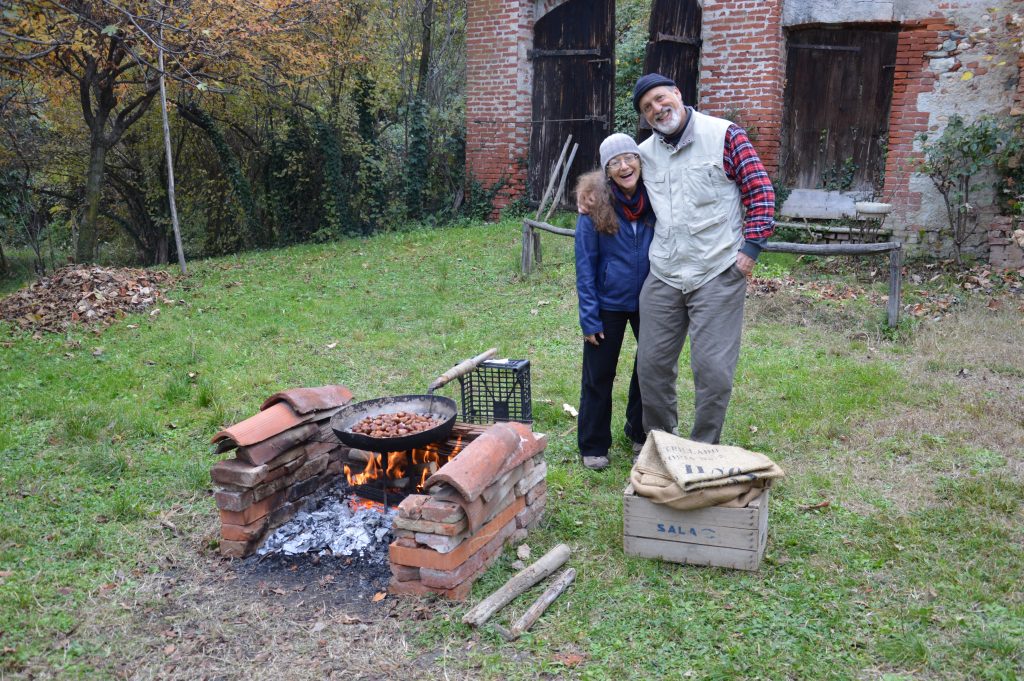
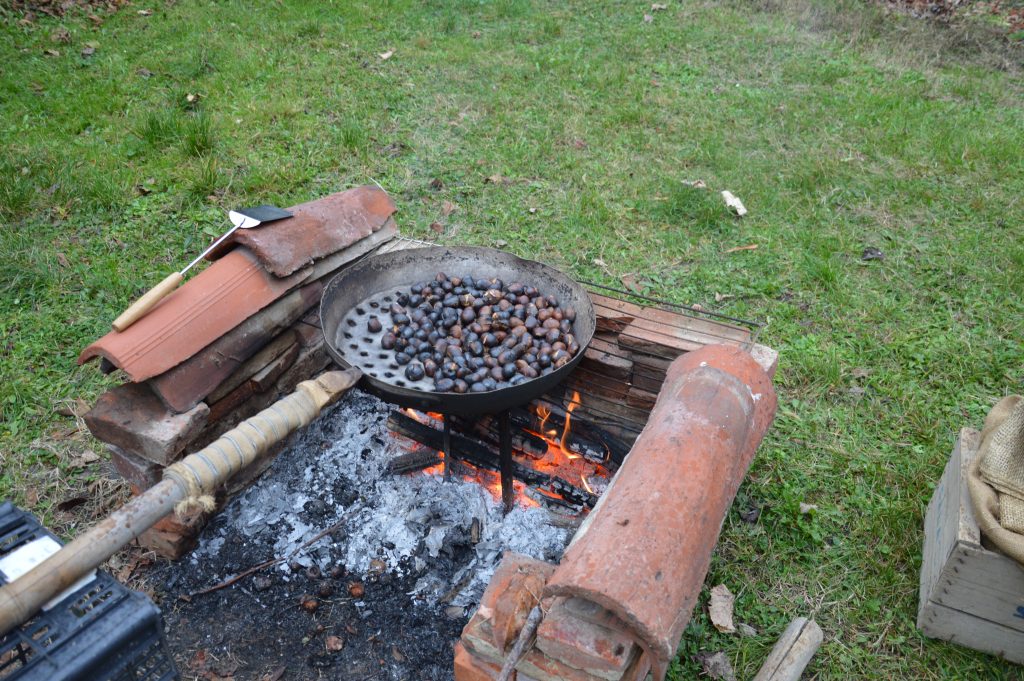
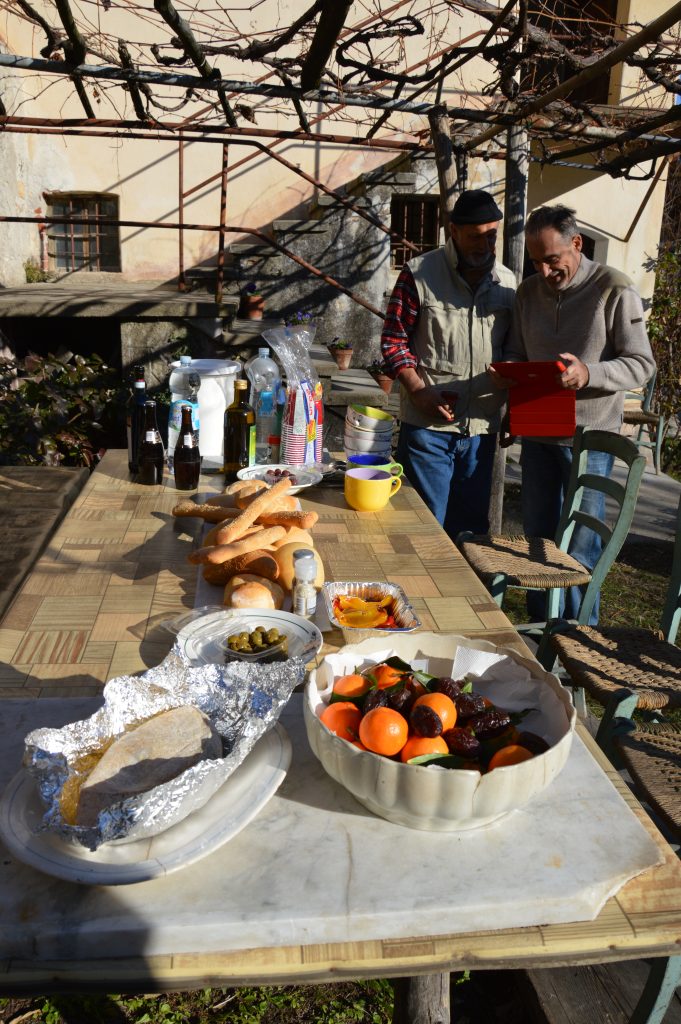
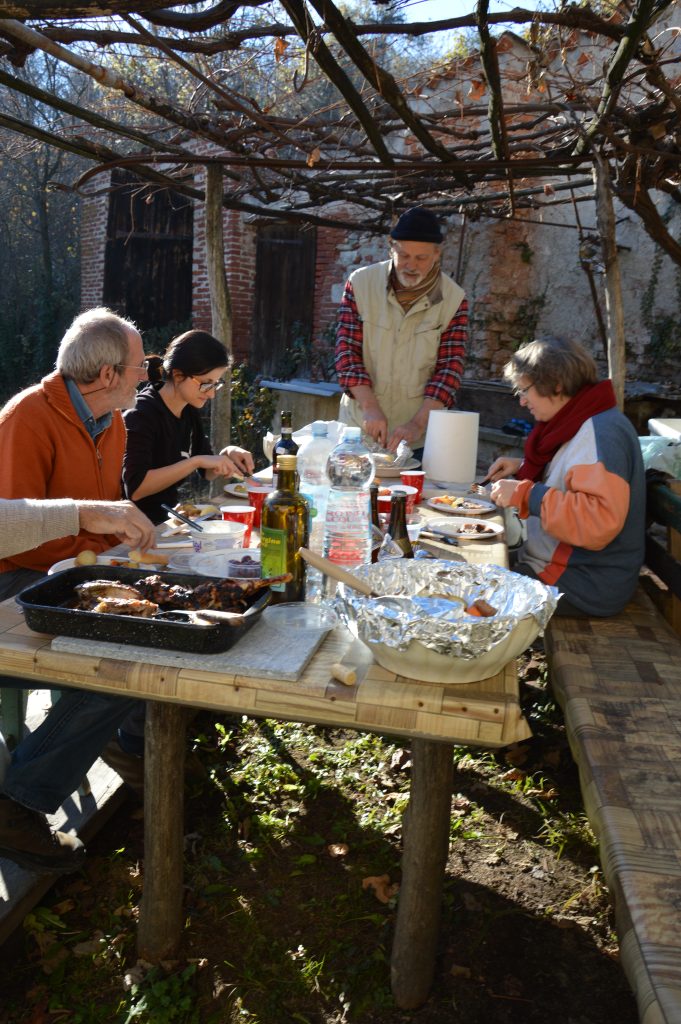
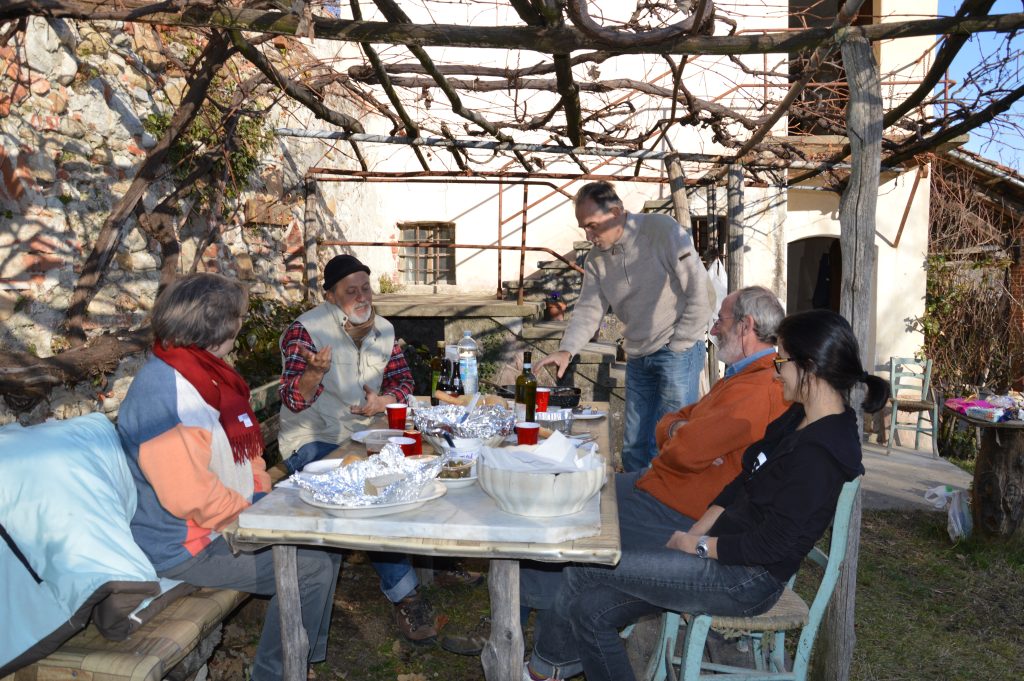
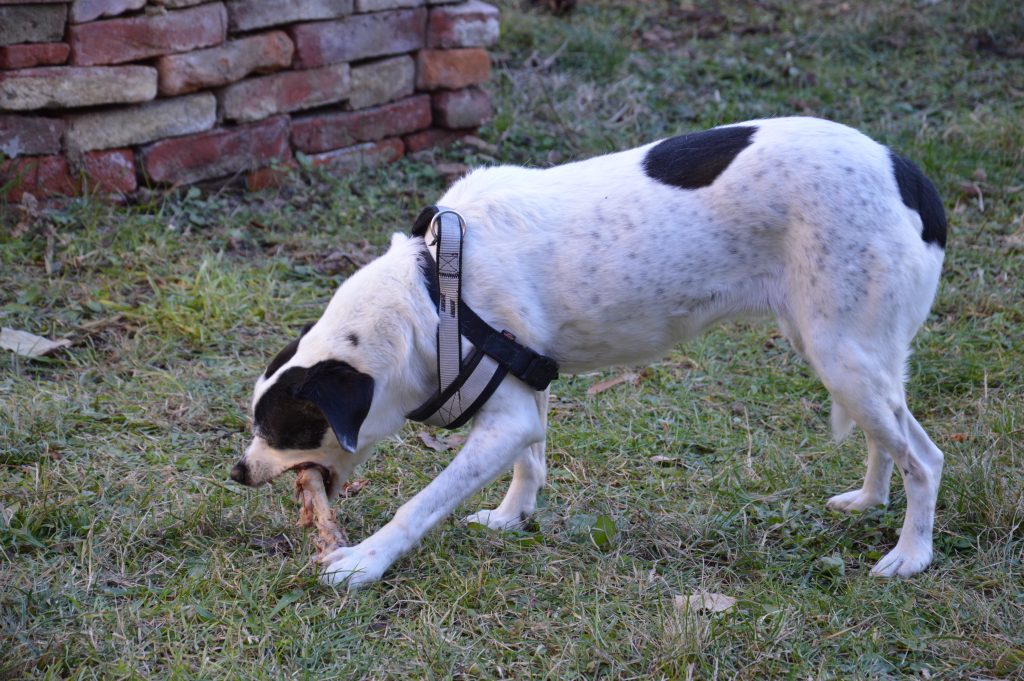
On a glorious, sunny morning in early December we repurposed the makeshift firepit Jim and Paolo had made for roasting chestnuts to cook a leg of lamb with potatoes and onions. We invited the Italian friends who’d helped us to arrive at this moment, and we ate lunch at the handmade table under our grape arbor, leafless now. By 2:30 the sun was lowering and a chill reminded us the year was ending. Paola’s dog enjoyed gnawing the lamb bone while we packed up the remains of the picnic. We had shared a meal with friends at our place in Italy. It made us very happy.
When we weren’t bonding with our new home place, we were working with our architects, Paola Garello and her young associate Lucia, to devise a plan for restructuring the primitive dwelling into a home for us. We already knew we wanted a fireplace, a guest bedroom, a dining room, an upstairs laundry, a kitchen with space enough for two to work together. Paola and Lucia took our ideas and soon presented us with three different configurations on paper and in 3D computer design. We talked them through together and agreed on a final plan, which Paola and Lucia prepared for presentation to the authorities at the Comune.
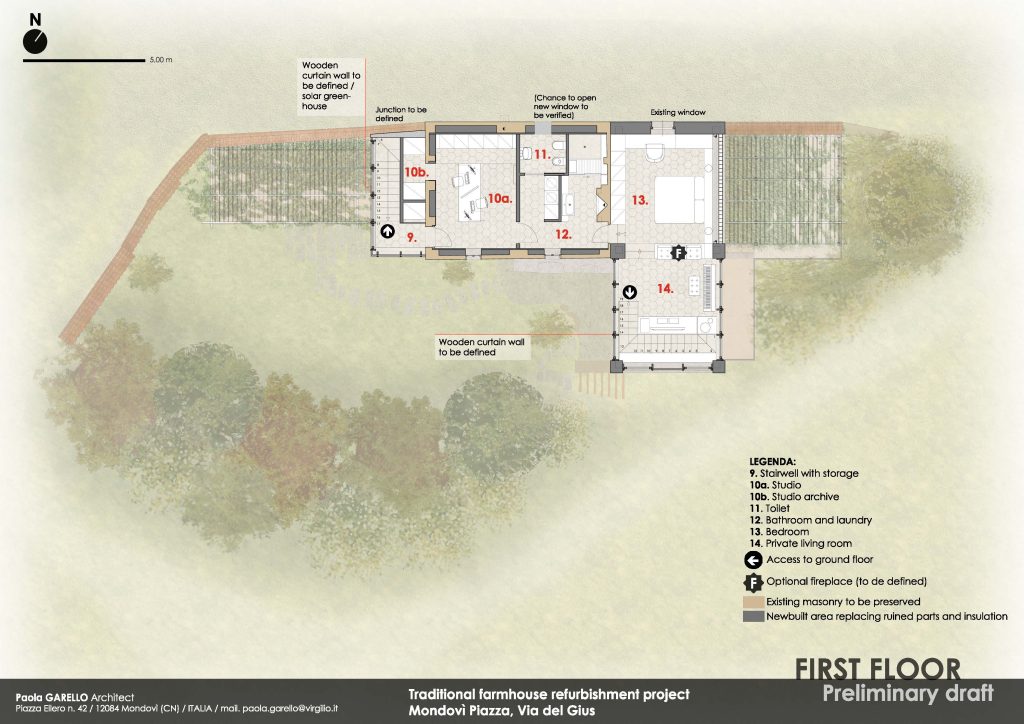
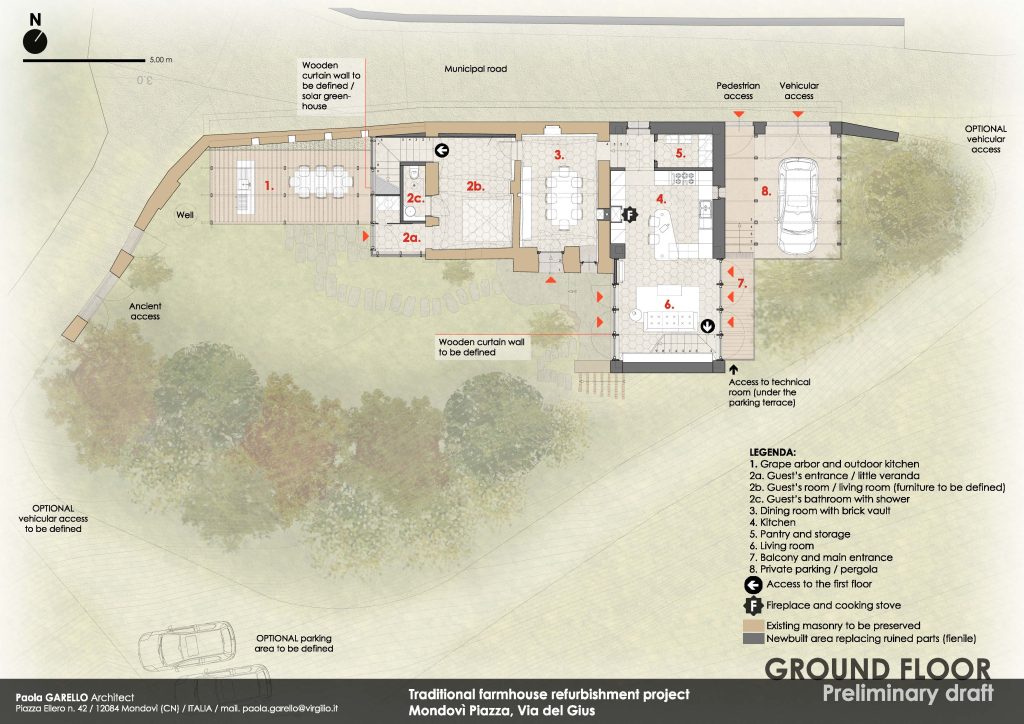
In late December we received a letter stating that our plan to restructure the old house was approved. We were ecstatic with such a quick response. Furthermore, the plan was commended for preserving the existing traditional structure instead of replacing it with new construction. The latter is more common especially among Italians; they prefer to build new, which is often less expensive and certainly more straightforward.