How to Not Write
That is not a split infinitive; anyone who knows me will know that I abhor split infinitives and refuse to be reconciled to a recent trend that allows and even embraces their usage. Call me old-fashioned; call me a stickler, a fuss-budget, old-school, strict, rigid—whatever. I care not that editors at the New York Times and The New Yorker seem to be okay with the split infinitive (although I do wonder what the hell is going on there); I am not okay with it and will not employ it. Well, maybe if a future, revised edition of Strunk and White should give its blessing to the split infinitive, maybe then I would concede that language evolves and grammar exists to serve expression, and that the split infinitive’s time has come. But that doesn’t mean I would approve or be resigned to its ubiquity. I might then tolerate its usage by writers who haven’t the time or the craft for casting clear, well-turned sentences without resorting to the split infinitive—but I will not become one of them.
Wow—nothing like a good rant to start off a new year—happy 2012, everyone! Now that I’ve clarified my position on the split infinitive, I’ll admit my working title is awkward, but the best I can do in the interest of candor and precision. I tried other possibilities, including How Not to Write; How to Avoid Writing; and How to Keep from Writing, but none of those expresses exactly what I mean. Each alternative title carries a different connotation, implying evasion or aversion or going about writing in the wrong way. What I’ve been doing for the past three weeks is none of those. I have been actively not writing, choosing to not write my life but instead to live it. (I’ve been turning this over in my mind for a couple of months but it seems I’ve just come to a tipping point.
I hope that doesn’t sound glib or smug; I truly don’t mean it that way, and I’m not entirely pleased with the situation. For years I said I wanted to write, but had neither free time nor the discipline required for the task. Now my time is my own, hours and days mine to use as I like, and my consciousness is stirred by new and fascinating surroundings–rich raw material for a writer. So now what is my excuse for not writing? There is something else, too: writing is reflection, and surely a life filled with the unfamiliar would be enhanced by some down time for puzzling over the rituals of buying fresh-baked bread through a hole in a wall and the possible provenance of a large, well-gnawed bone I saw recently on the path to the fitness center. We all know what they say about the unexamined life. Whatever my reasons or excuses, here is exactly how not writing is done:
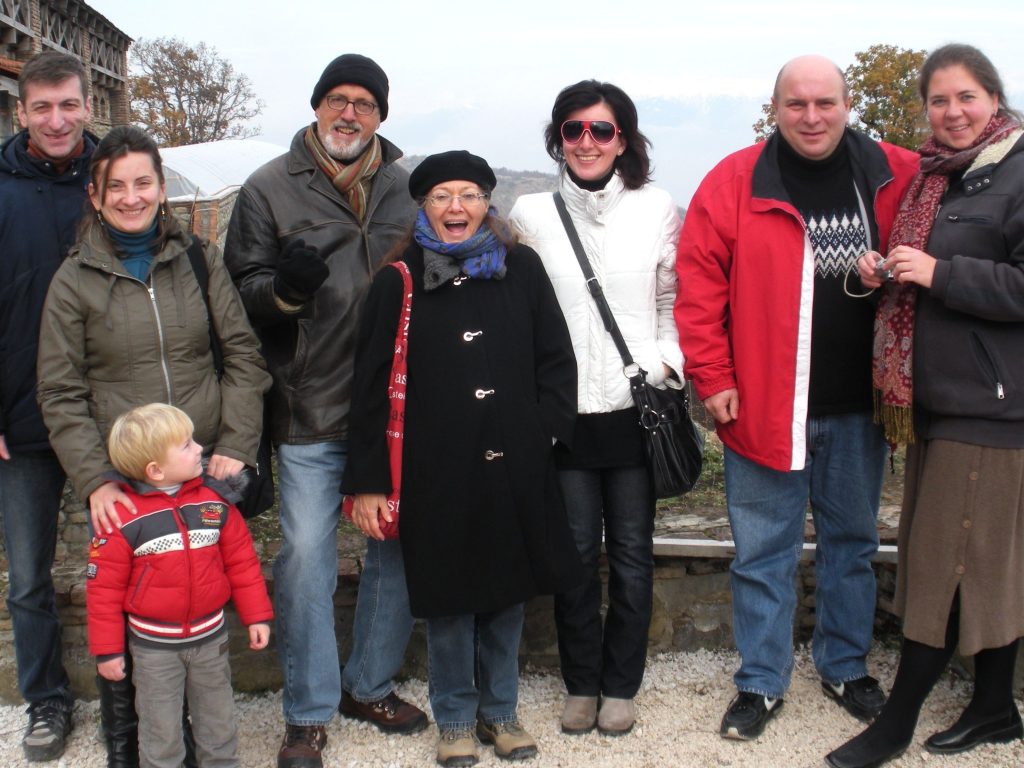
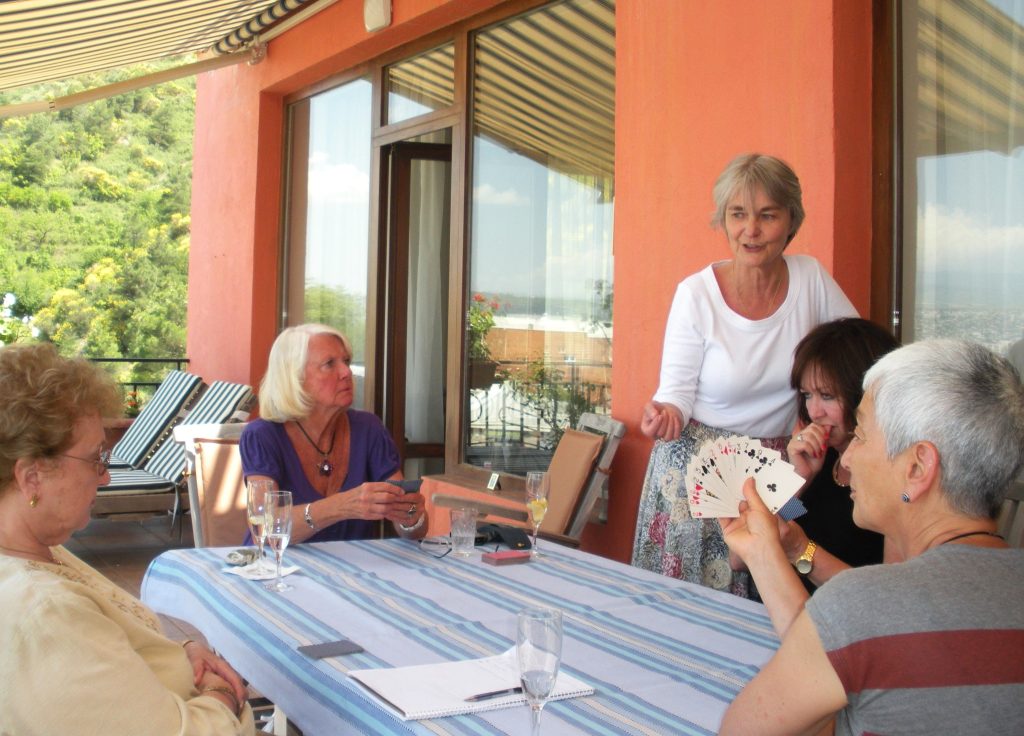
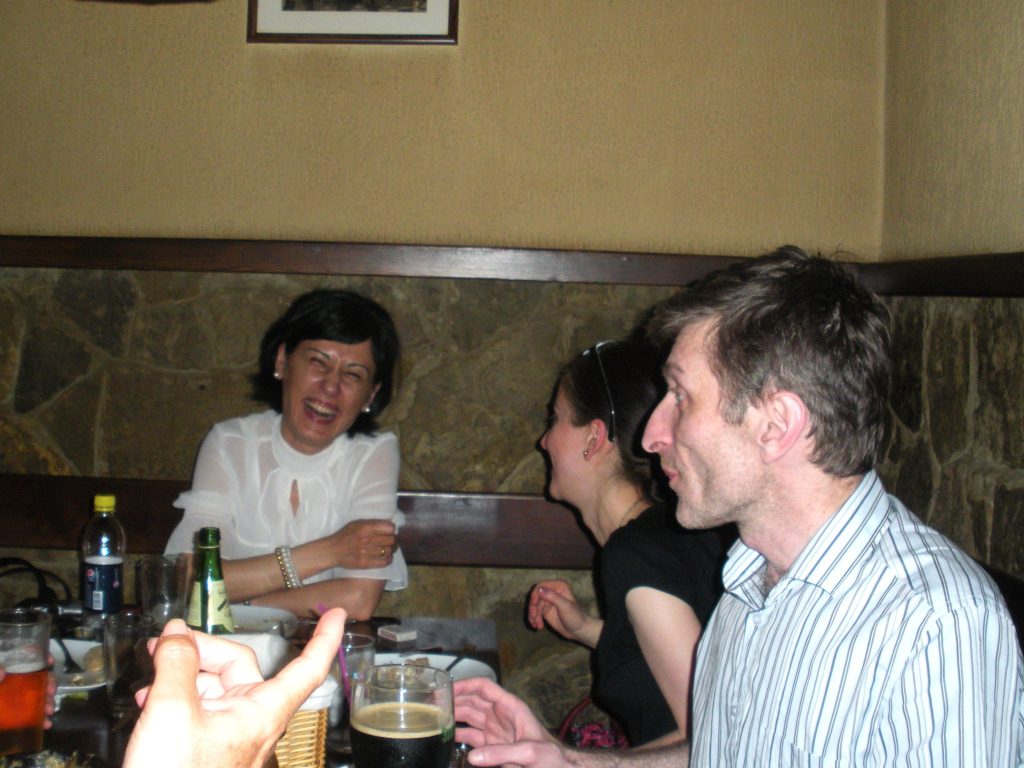
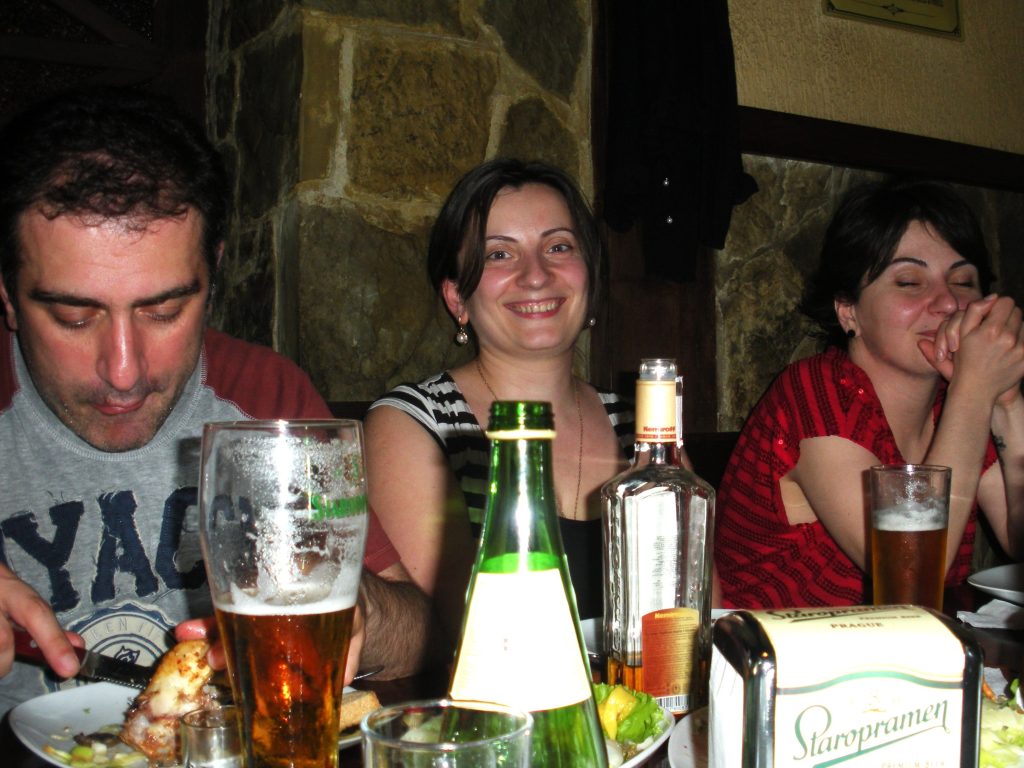
Make new friends (just a few) who, like yourself, no longer go to work every day but have time for coffee dates, long morning walks, lunch dates, French conversation group, and excursions to art exhibitions, bazaars, museums, and unexplored corners of town. Join Jim and his team of young Georgian educators on sight-seeing excursions and evening gatherings at restaurants and clubs in town.
Have a to-do list that includes locating (and removing, with the aid of an Exacto blade and a paint scraper) an unblemished poster from the photo exhibition that impressed you so much that you must have a memento; finding just the right knob to replace the missing hardware for the little bedside table upstairs; and scouring the markets in the underground passageways
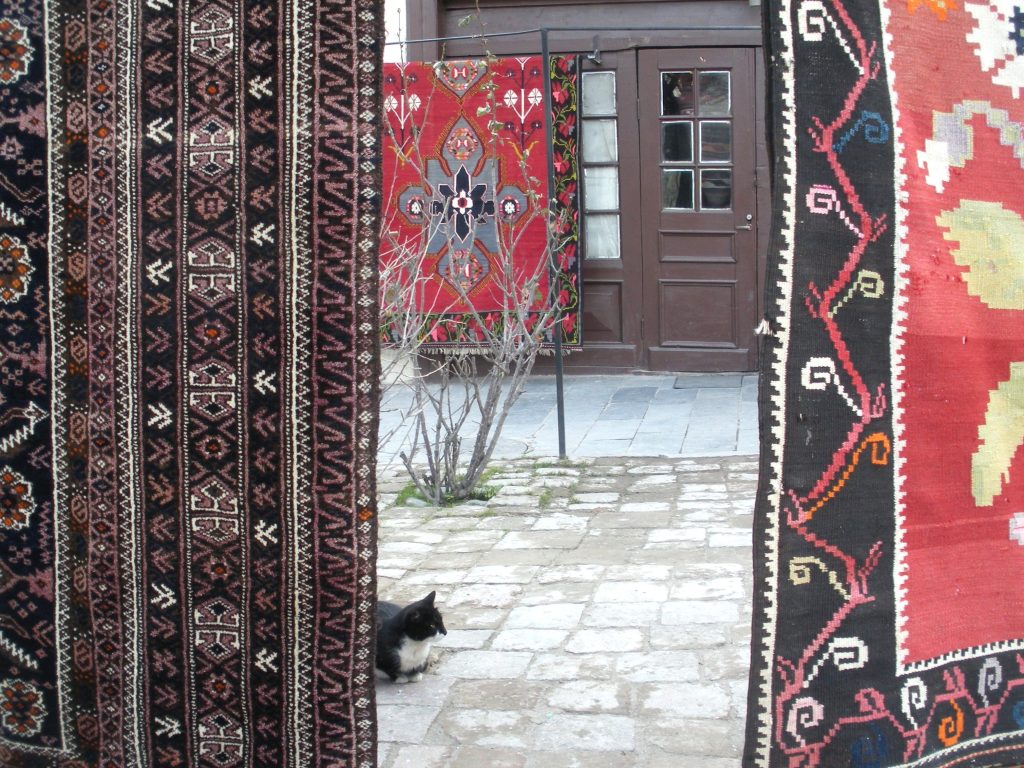
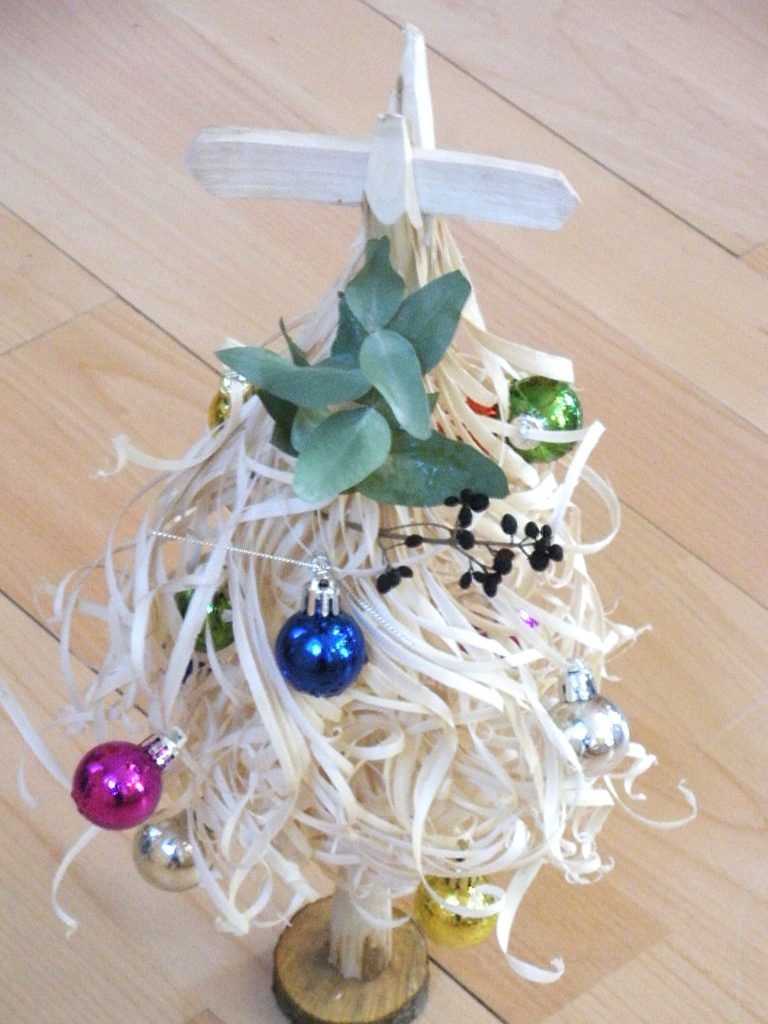
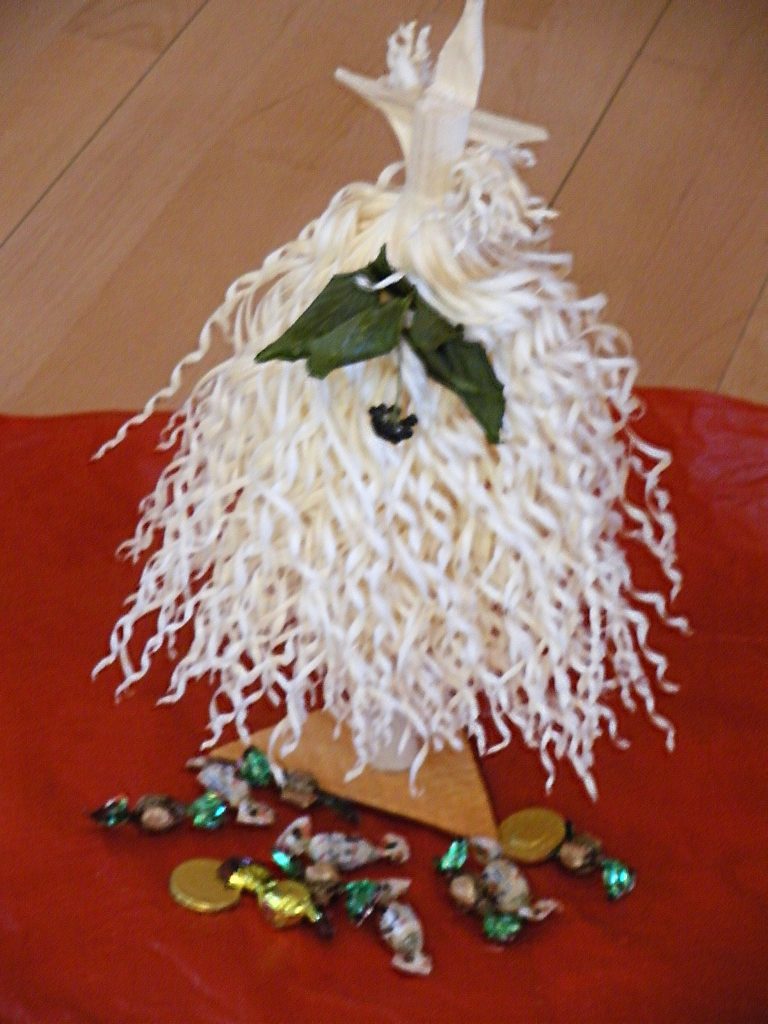
Become fascinated with local holiday customs that include churchkela (fat sticks of walnuts and grape puree, dipped like candles), chichilaki (a Christmas tradition made by shaving thin strips of a peeled twig from bottom to top until they curl to look just like a small white Christmas tree), and the small handbroom shaped ornaments decorated with dried beans and wheat kernels to sweep out the old year and ensure prosperity in the new one. Once completely captivated, walk the length and breadth of Old Tbilisi in search of vendors because all things made by hand come in endless variety and you wouldn’t want to miss something wonderful.

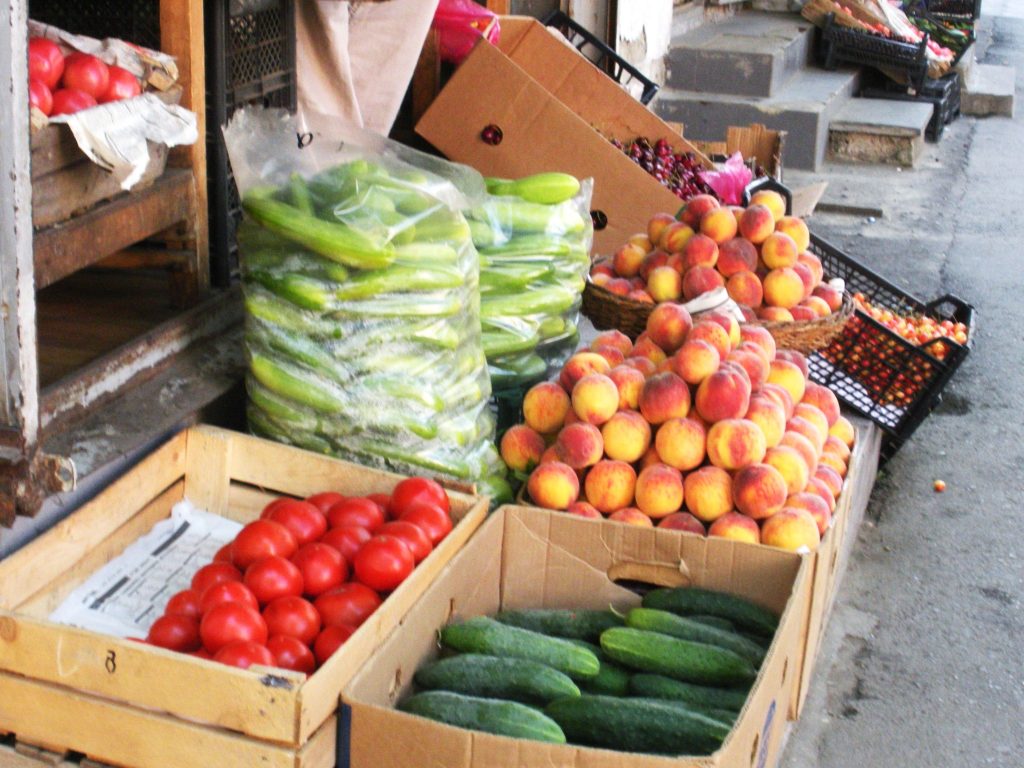
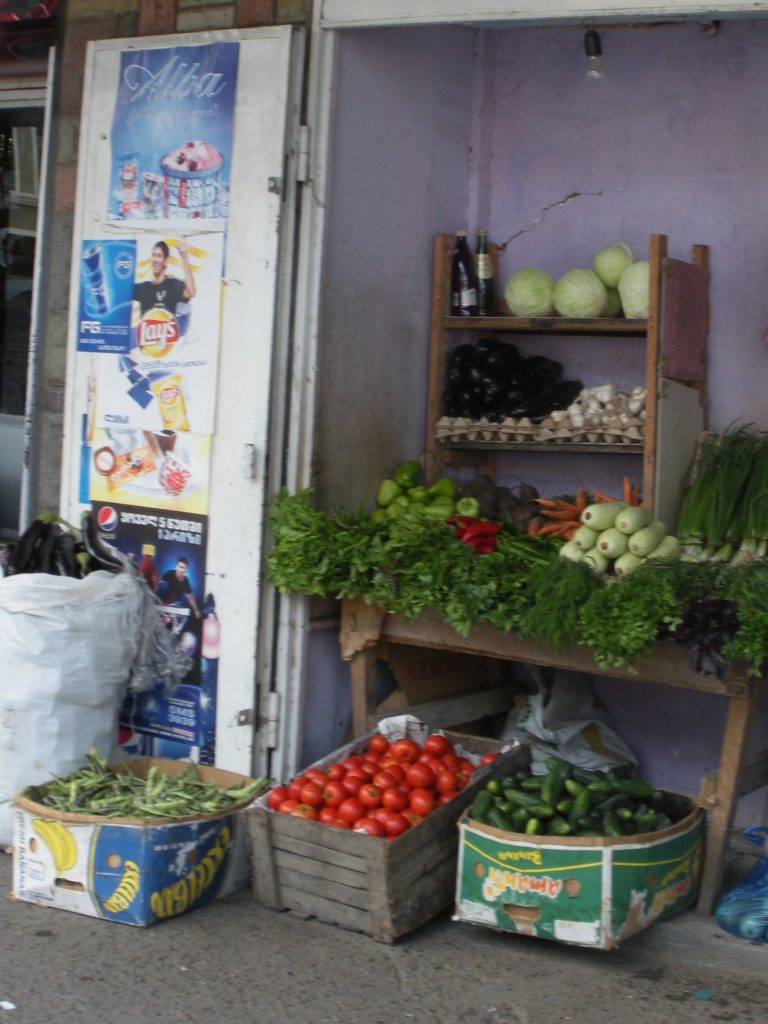
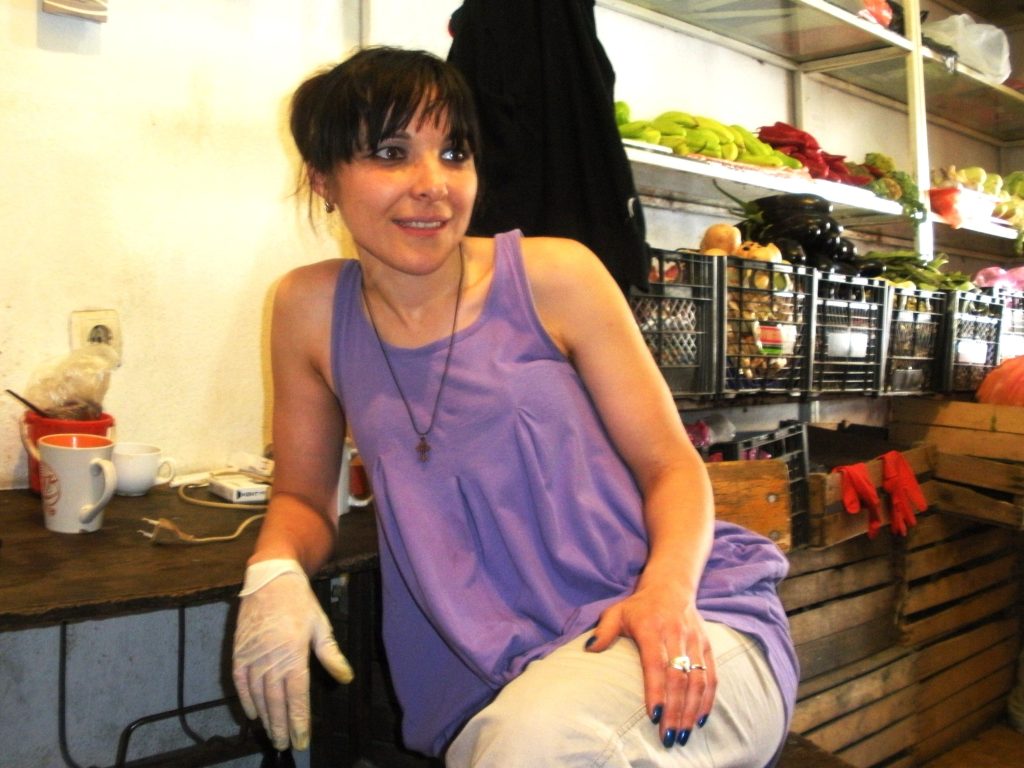
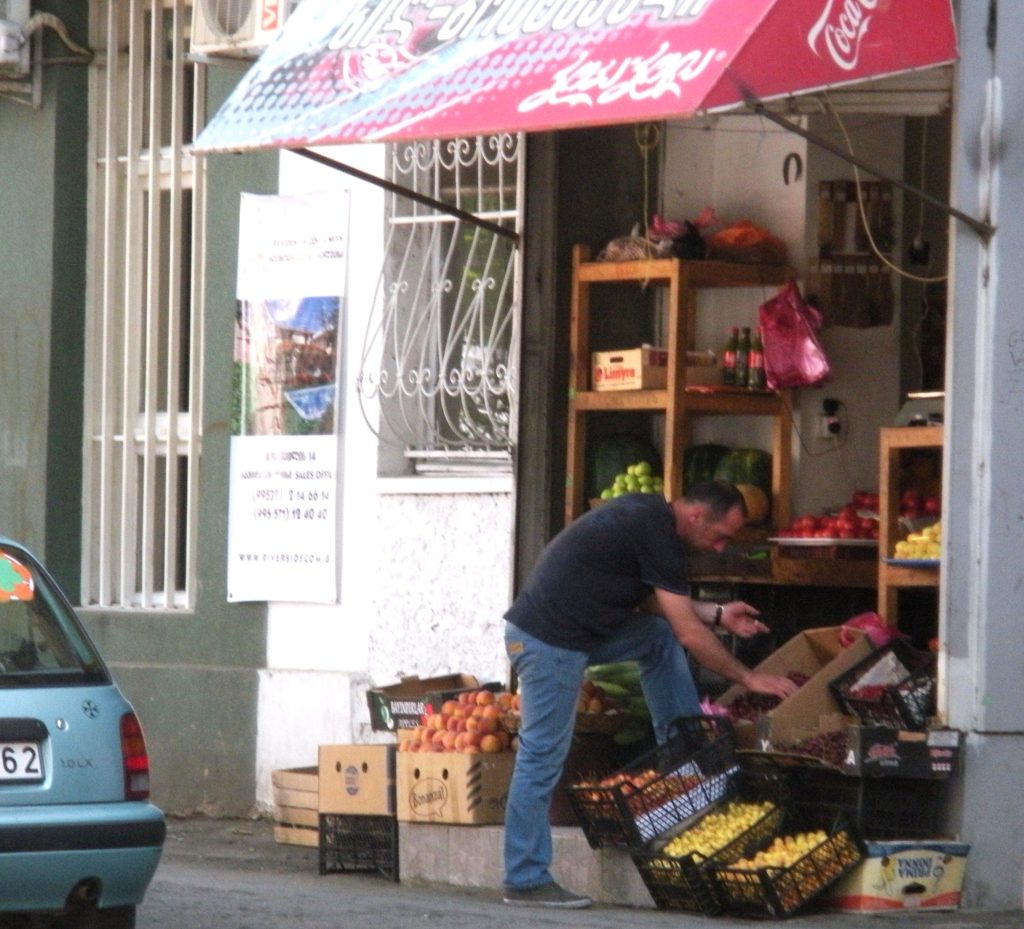
Become familiar with the best vegetable markets for special items like broccoli, spinach, nappa cabbage, cherry tomatoes, wild mushrooms, pineapples, and kiwi fruit, as well as the days they receive fresh shipments. Become a regular customer in these markets, which will ensure warm, personal greetings and shorten the time you wait to be served.
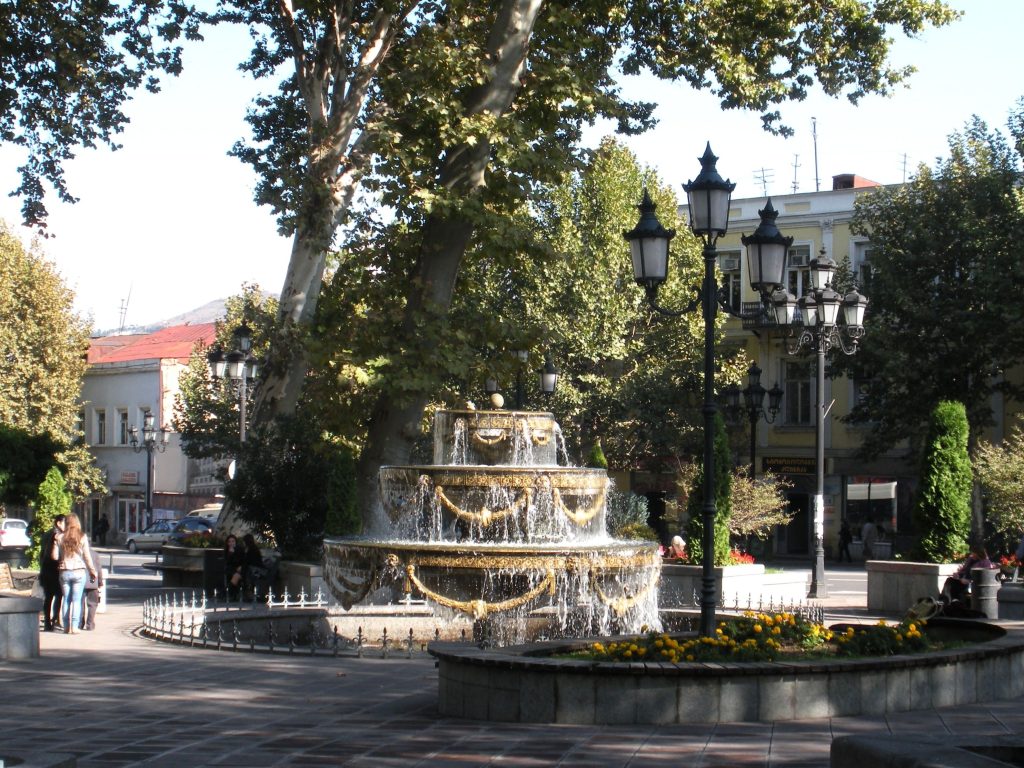
Finally, find yourself so completely, unabashedly overcome by the daily wonderment of living in the most rapidly changing, baffling, delight-filled, exotic, exciting city you could never have imagined that you lose all sense of perspective. Find yourself so in love with Tbilisi that you hate to interrupt even for a moment the infinitely satisfying experience of living headlong within it, afraid that in stopping to focus a camera or reflect in writing you may miss something.