Winter’s Heart
February is our winter’s heart, a frozen, unyielding core, a sentence of 29 bitterly cold days, one day more this year just to test our endurance. Winter is our first full season here, the hardest one in a generation, with more snow and colder temperatures than many Georgians can remember.
November‘s early snowfalls were freakish and unwelcomed, but they barely dusted the trees and hillsides and soon drained away with the rains that followed. Those first snows were the topic of much conversation and reminiscing about snowy days long past; it snows so rarely in Tbilisi that the occasions are memorable.
Then came December, with a great fall of several inches. We woke to a white and silent world on a Sunday morning and joined families with delighted children, walking and playing in Vake Park, wondering at the profound event and enjoying the hush and drift of the flakes, the softly piled trees, all the muffled shapes and sounds. It was a magical day and then Monday was sunny and by Thursday even the grey slush had gone from the streets and walks; the magic became a memory to be recalled sometime in the future, on another rare day of snow in Tbilisi.
January followed the book—our guide book, which told of an average winter temperature of 45 degrees Fahrenheit—and lulled us into believing we’d seen the worst of winter. As day after dry, sunny day unfolded we used our fireplace only when we had dinner guests, to add charm to the living room, or on weekends for a cheery place to read, or to make a special occasion of the odd weeknight.
But the first of February brought snow, followed by more snow, until we lost count of all the mornings we woke to still more snow sifting out of colorless skies. Temperatures dropped and the snow remained, and the cold held on and on. I brought in wood every day and lit the fireplace every night.

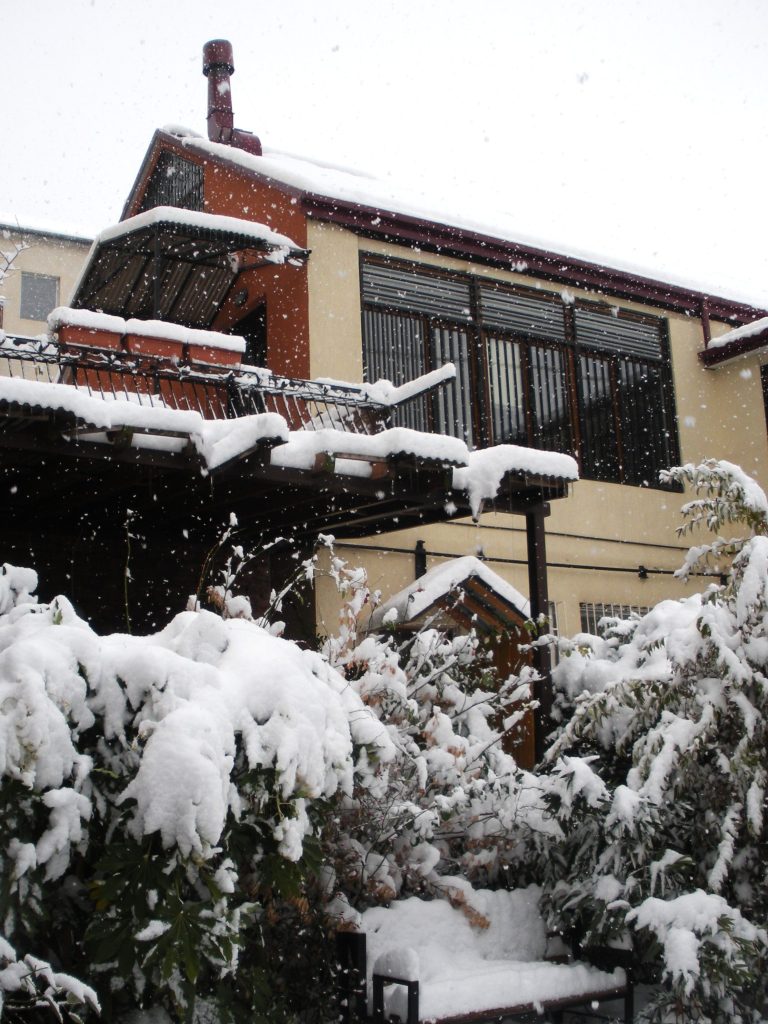
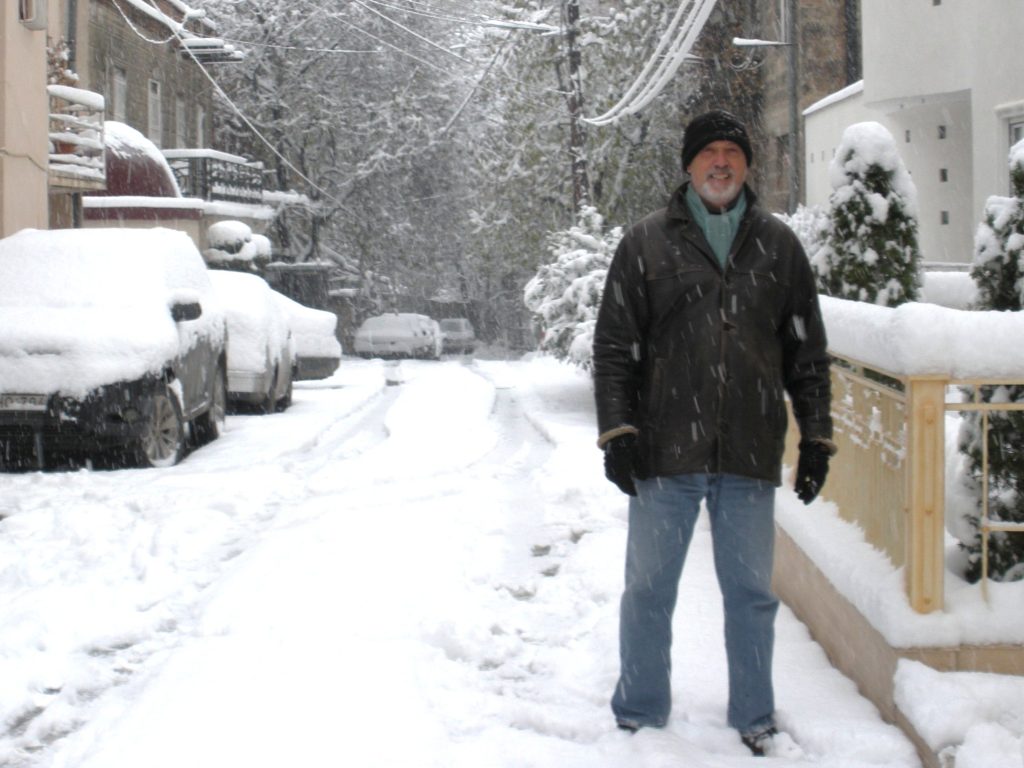
Tbilisi and its residents, like all places and populations unaccustomed to cold, snowy weather, are ill-equipped to deal with wintry conditions. There are no snow shovels (except the one Pavel improvised from flimsy sheet metal and a long wooden pole); most people, if they think at all of trying to clear the snow from a sidewalk or driveway, employ a garden spade or a stiff broom, to little effect. There is no rock salt or Halite for sale anywhere; one day I saw two men in orange jumpsuits (I assumed they were uniformed city employees) flinging handfuls of salt from a small pickup truck onto a street paved in several inches of solid ice and frozen slush.
Most sidewalks were impassible, so we all walked in the streets, which is merely hazardous. Cucumbers and other tender produce got frostbite in the street markets, and salad greens disappeared completely. Day after day we bundled up and went about our business, like our neighbors, the indomitable Tbilisians. Even the beggar women–muffled to the eyes in black shawls and layer upon layer of slacks, skirts, and sweaters, feet in a cardboard box for warmth–kept to their usual corners on all but the coldest days. Truly puzzling was the near-total absence of the normally ubiquitous bane of pedestrians here: dog shit. There simply was none on the sidewalks, leading me to wonder whether all the dog owners had paper-trained their pets for the duration of the harsh weather.
Winter’s heart is melting now, the snow and ice turning to slush and puddles, churning underfoot or coursing down the steeply sloping streets of Tbilisi. Now the winds blow from the south, out of Turkey, pale sun and clear skies greet us every morning; I heard someone say spring will be early this year. It seems we’ve been reprieved and will not serve out the full 29 days of February. We are using the sidewalks again, watching our step because the dog shit is back. In an optimistic mood, I ordered seed for pansies and petunias the other day.