Making decisions
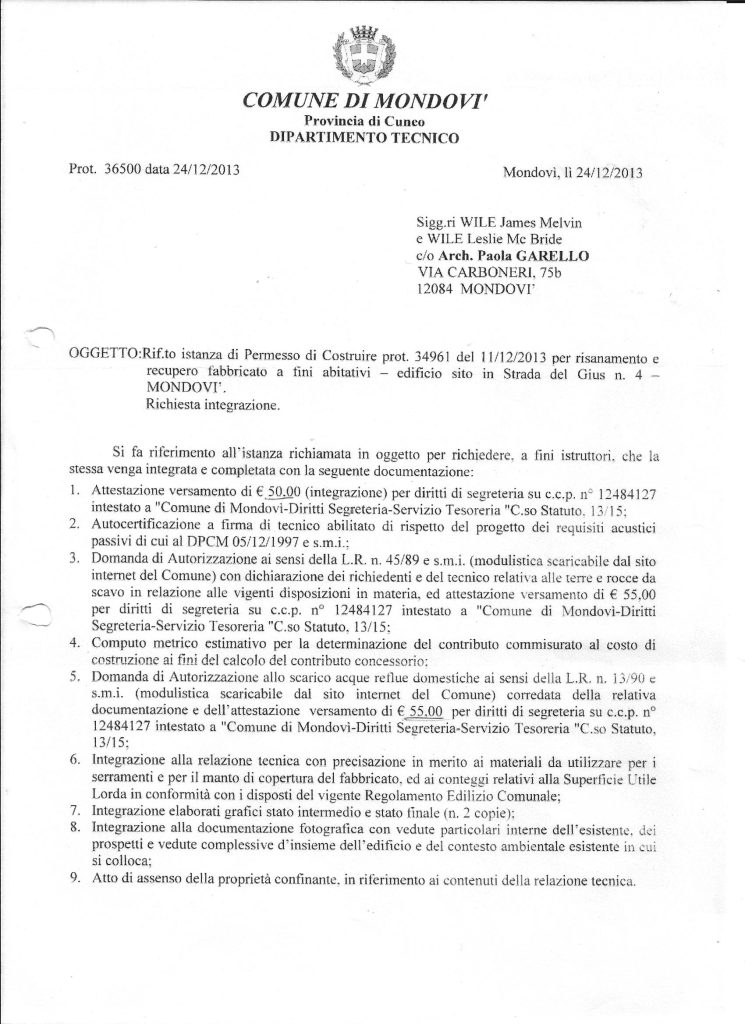
The letter granting permission for our building project contained several clauses about specific actions: we had to provide detailed information about various aspects including earth moving, estimated costs of all building specs (concrete, bricks, wood, doors and windows, even sinks and toilet seats), and to obtain permission from a neighbor to build along his private road frontage. It was a lot to think about, much of it unfathomable to us, but our architects and other professionals did the work of calculating it all, quickly producing technical studies and voluminous reports. Also in the letter from the Comune we were directed to pay three administrative fees of about 50 euros apiece, for filing and processing documents.
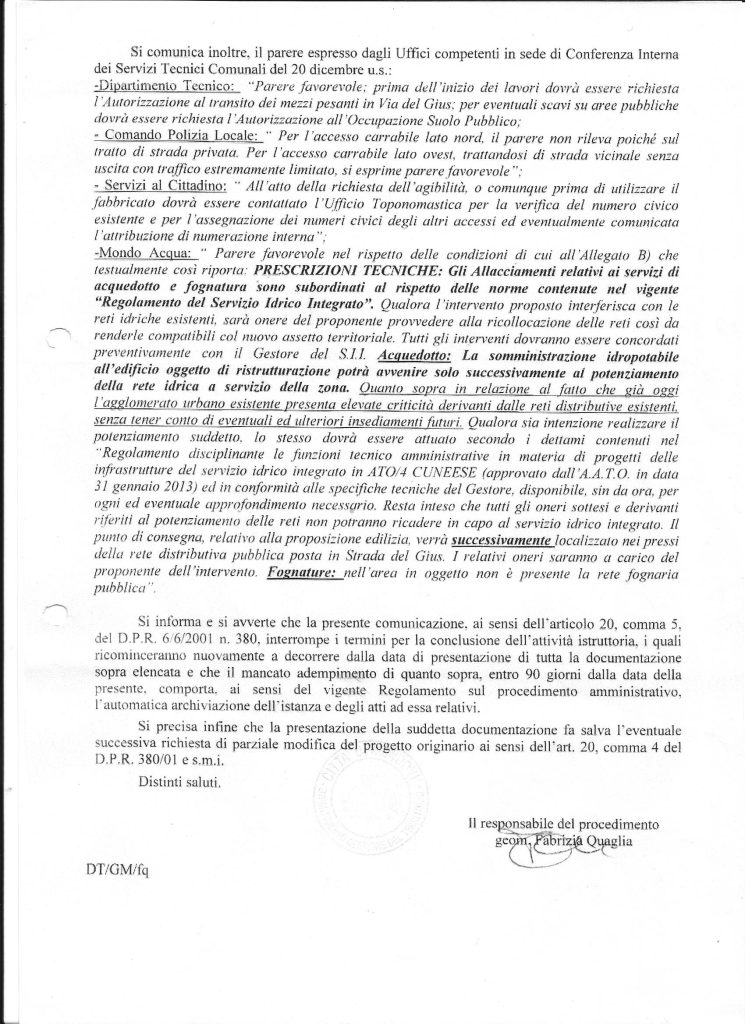
Page two of the letter comprised several paragraphs—in italics with boldfaced headings and underscored subheads–concerning MondoAcqua, the company responsible for municipal water services. This was our official notice that we would not be guaranteed city water to our home without further study and only on condition that adding us to the existing water line would not have adverse effects on service to other homes on the aqueduct.
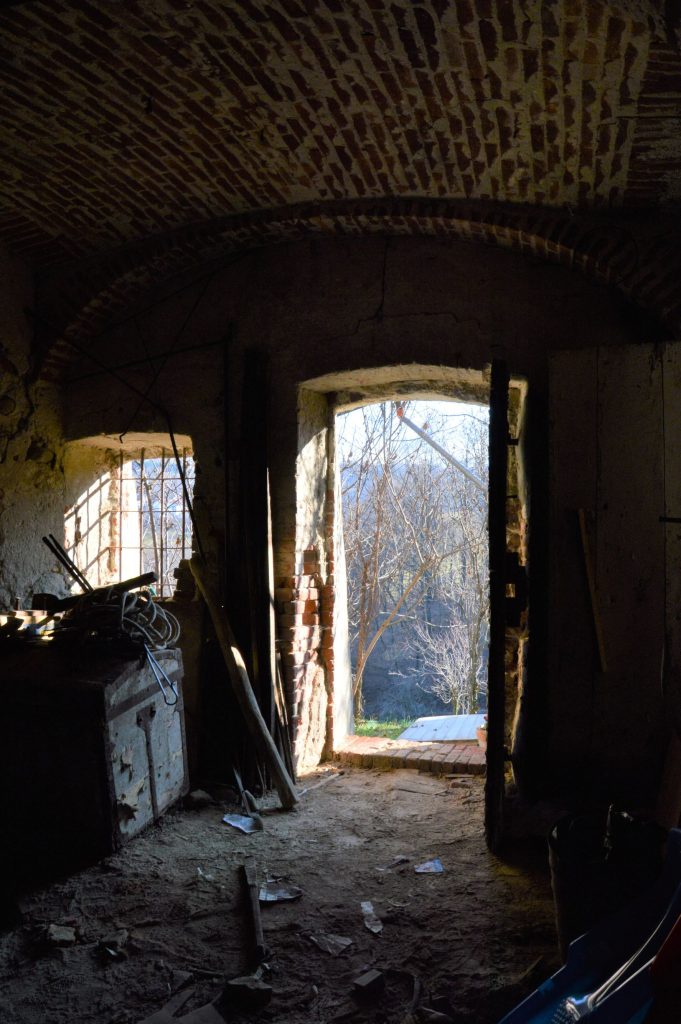
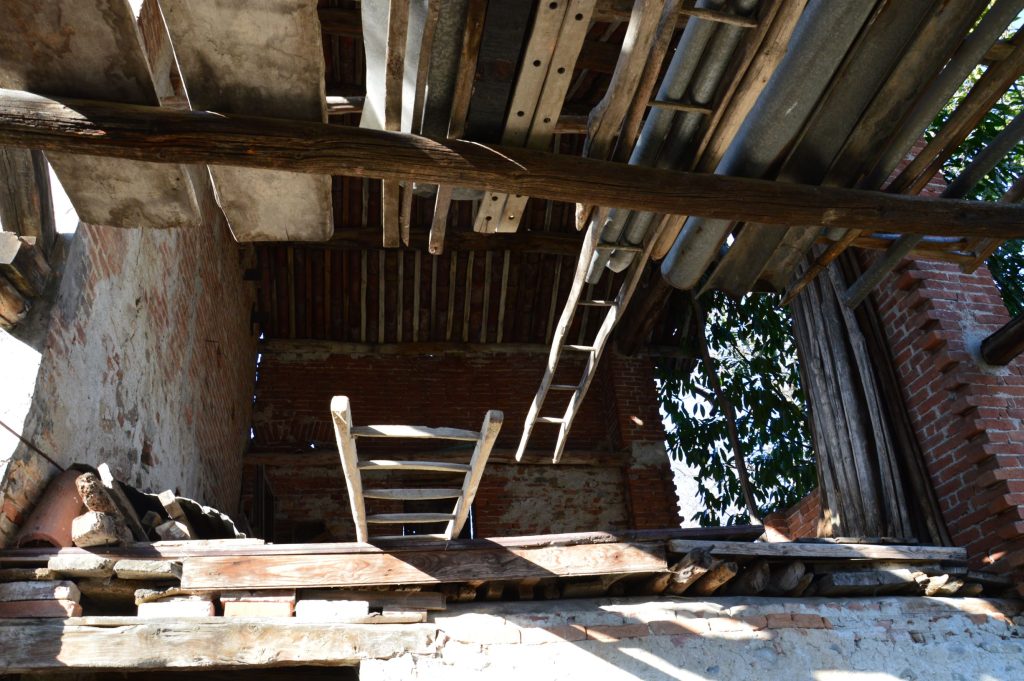
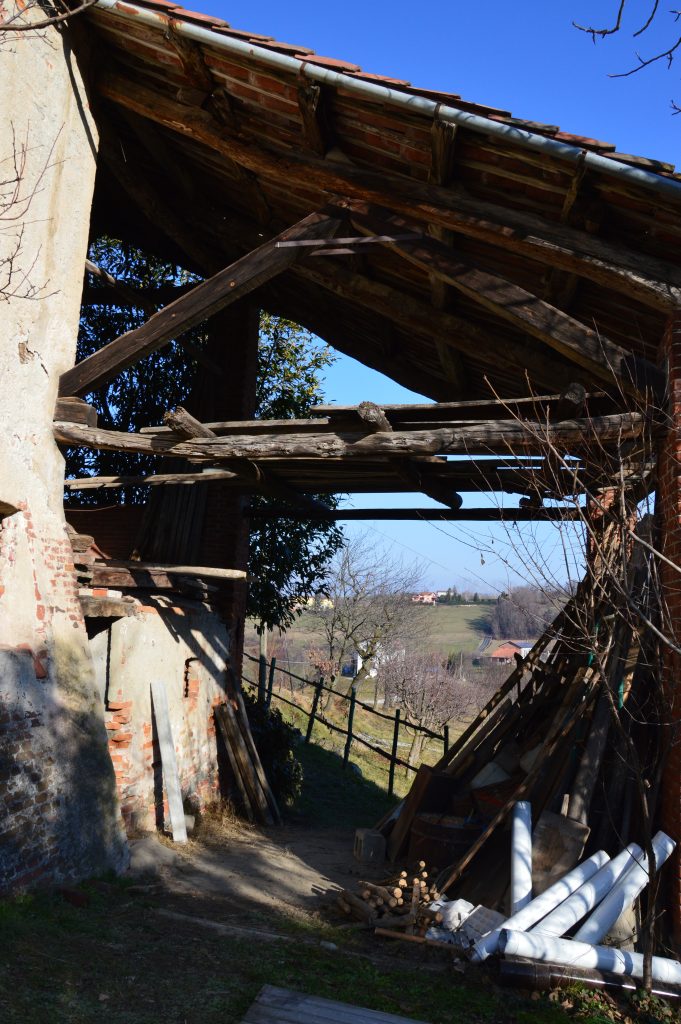
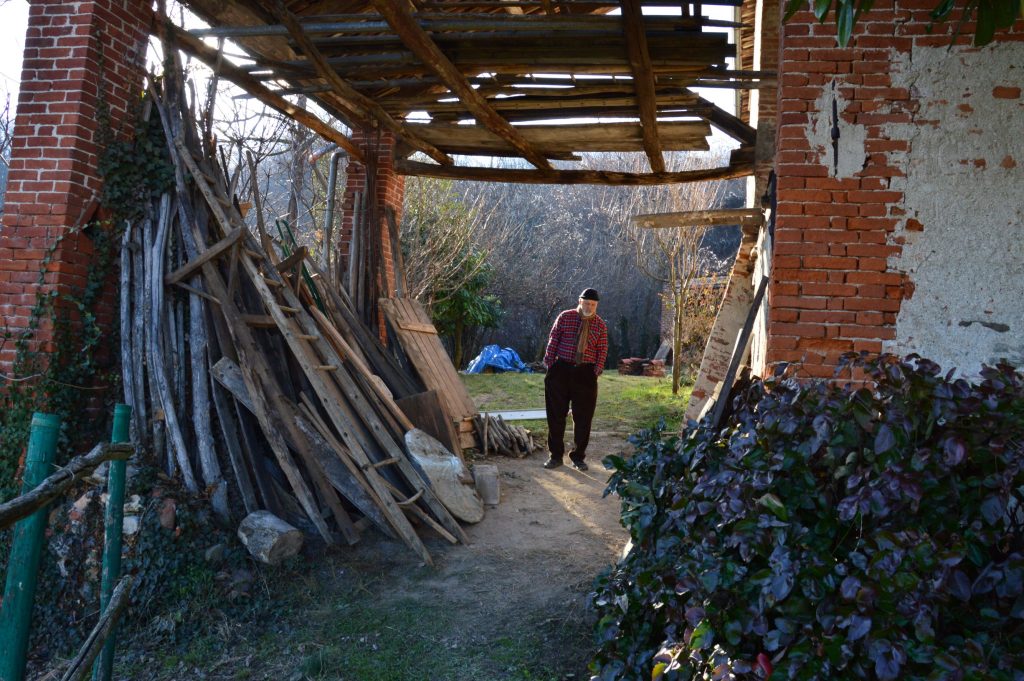
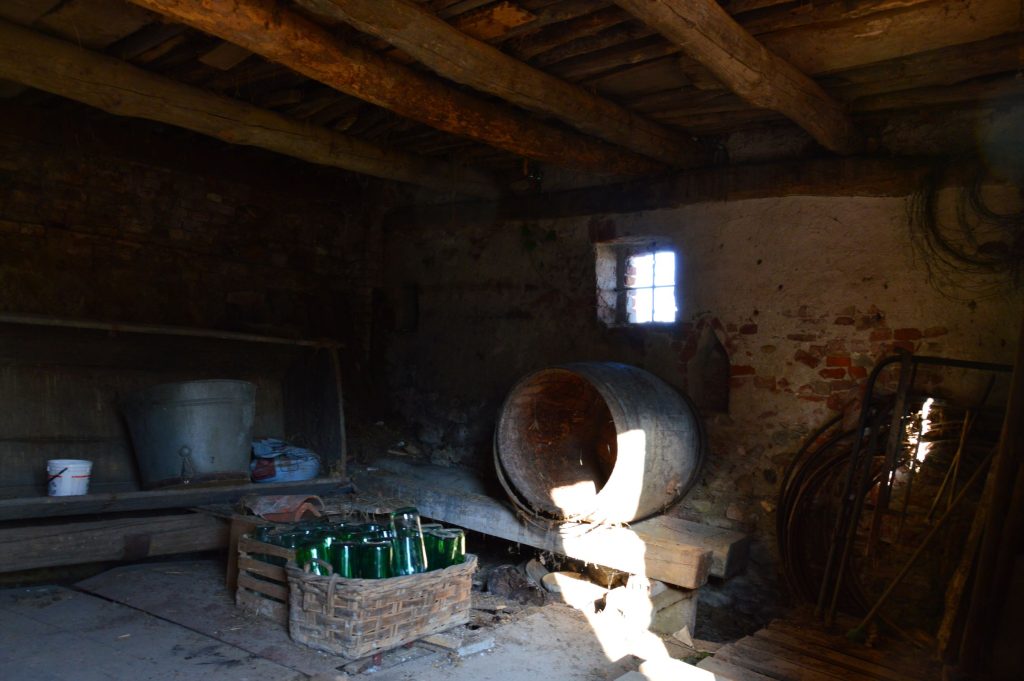
From February through August of 2014 we encountered delays and surprises, mostly in connection with the water supply. We sometimes felt impatient and frustrated but our architects, engineers, and builders navigated various bureaucracies on our behalf, and little by little we began to trust the process. Meanwhile, at the house there seemed to be no end to the work of clearing away rubbish and relocating things for possible future use: a rain barrel, handmade ladders, wide chestnut boards, and an enormous concrete vat with puzzling blue stains inside.
By early February we were making decisions, lots of them. We visited two local factories to see wooden windows and doors (pine? oak? mahogany?). In March the architects opened our project to competitive bids from building contractors; four proposals arrived mid-month. The architects reviewed all offers and on 22 April talked us through each estimate. That same week we met and interviewed all four contractors. After some discussion, we chose Edilimpianti, a father-and-daughter team, as our builders.
It wasn’t customary in 2014 to write a contract for a residential project, but we felt strongly that an investment of this size demanded clearly defined conditions and commitments. The builders consented and by early June a contract for the project was taking shape. We also took an insurance policy to protect ourselves and the builders. It seemed everything was falling into place for the work to begin!
Everything except a water supply. Houses in Italy are commonly built of masonry—stone, brick, and mortar–and are finished in intonaco, a kind of stucco that ages to a rock-hard surface. All these materials require lots of water. We continued sparring with officials both within city government and inside MondoAcqua until early July. Then everything happened at once—we got confirmation that our house could receive city water, which triggered release of our official building permit from the Comune. It was another month before we had the documents in hand, signed, stamped, and sealed; meanwhile our neighbor kindly offered to let us tap his water line until we got our own connection. We installed a meter to track usage so we could pay our share.
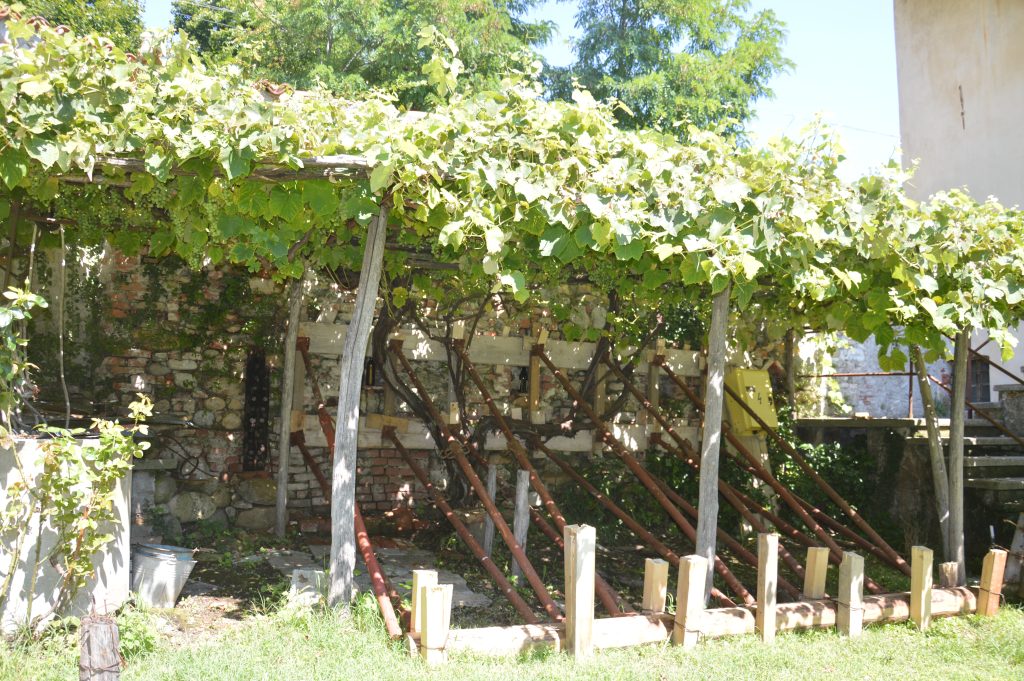
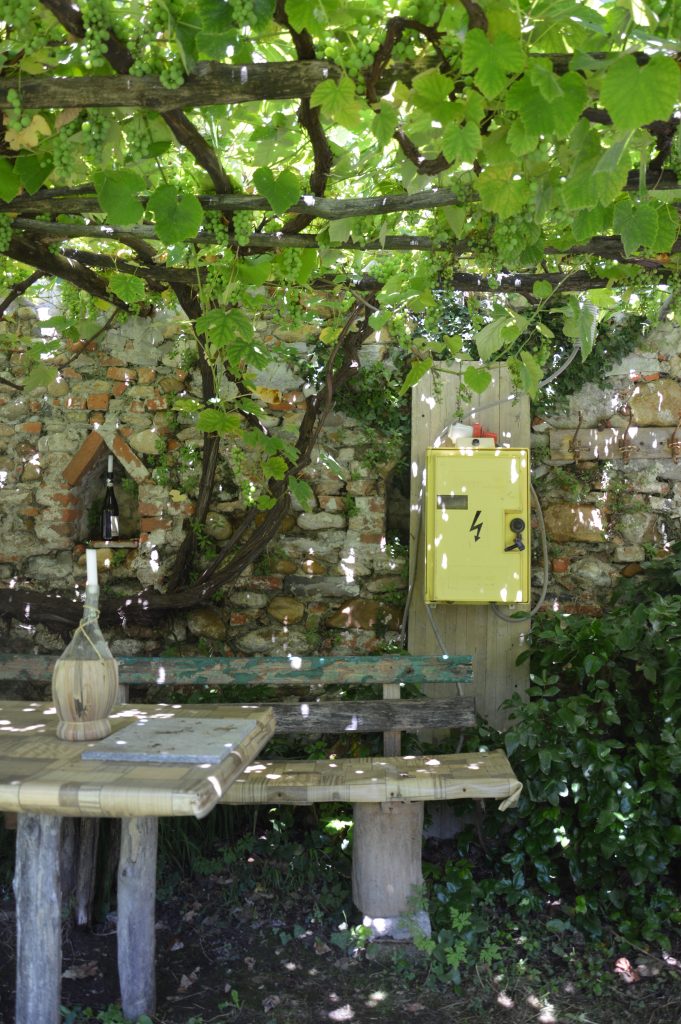
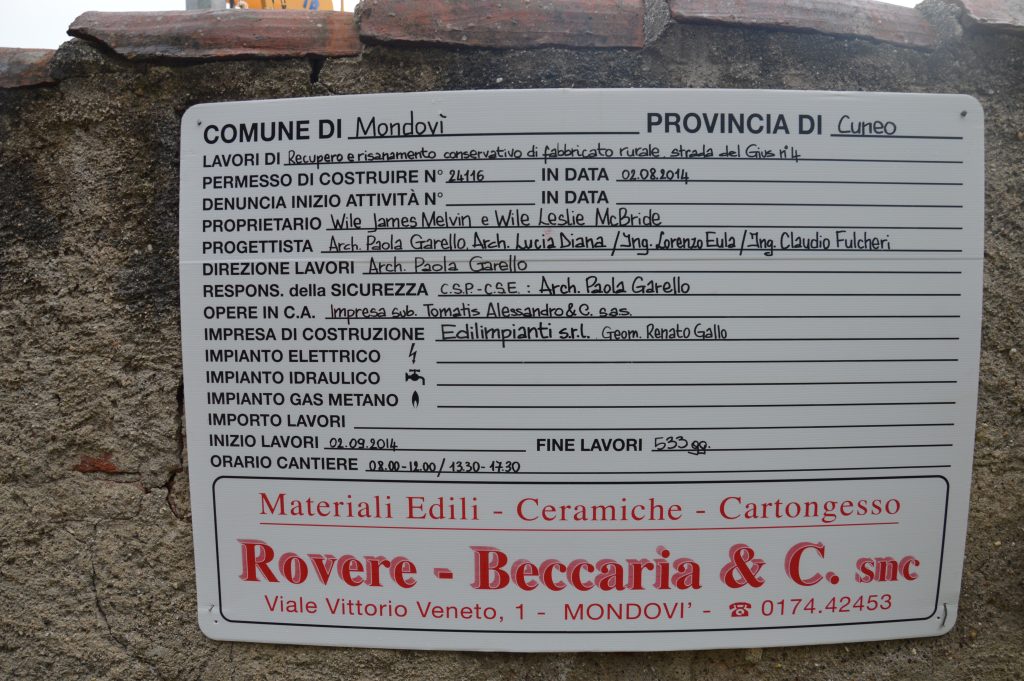
By late August the work site was complete: electricity and water supplies, a portable toilet, even a metal locker for all the official documents required to be held onsite. Mandatory safety protocols (hard hats, etc) and project details were posted, the old garden wall reinforced, the cortile, portico, and all rooms emptied and waiting. Again the house seemed to hold its breath in anticipation.
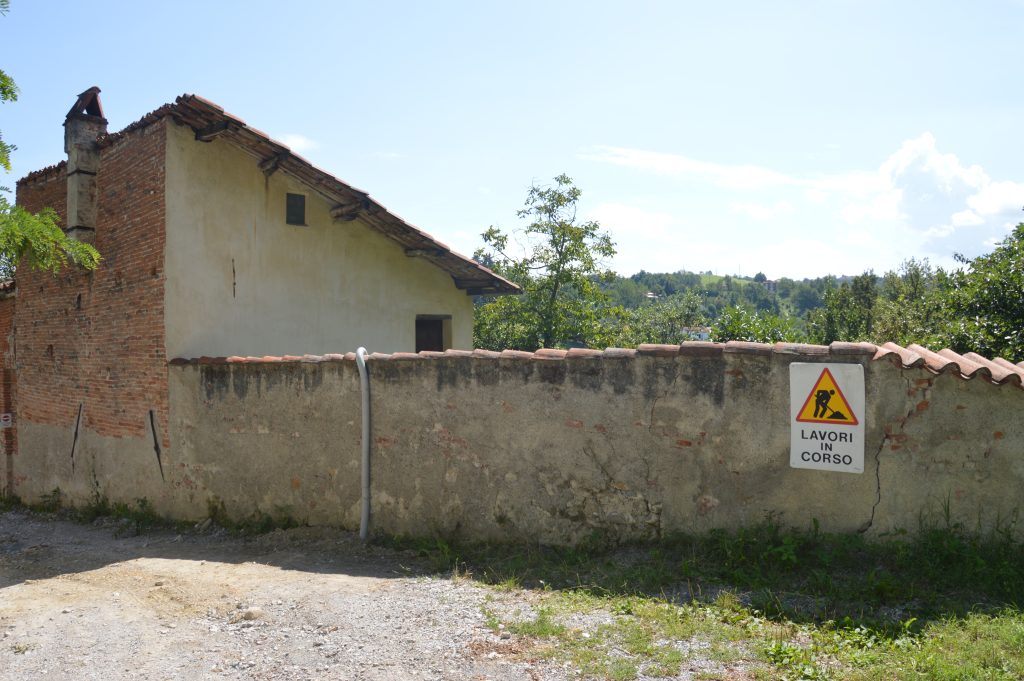
On 28 August an excavator/bucket loader lumbered down the road. The machine scraped away the grassy center of the cortile, leaving a neat rectangle of bare earth. Then the loader emptied a truckful of gravel onto the dirt and leveled it. On this tidy foundation an enormous crane (gru) would be erected.
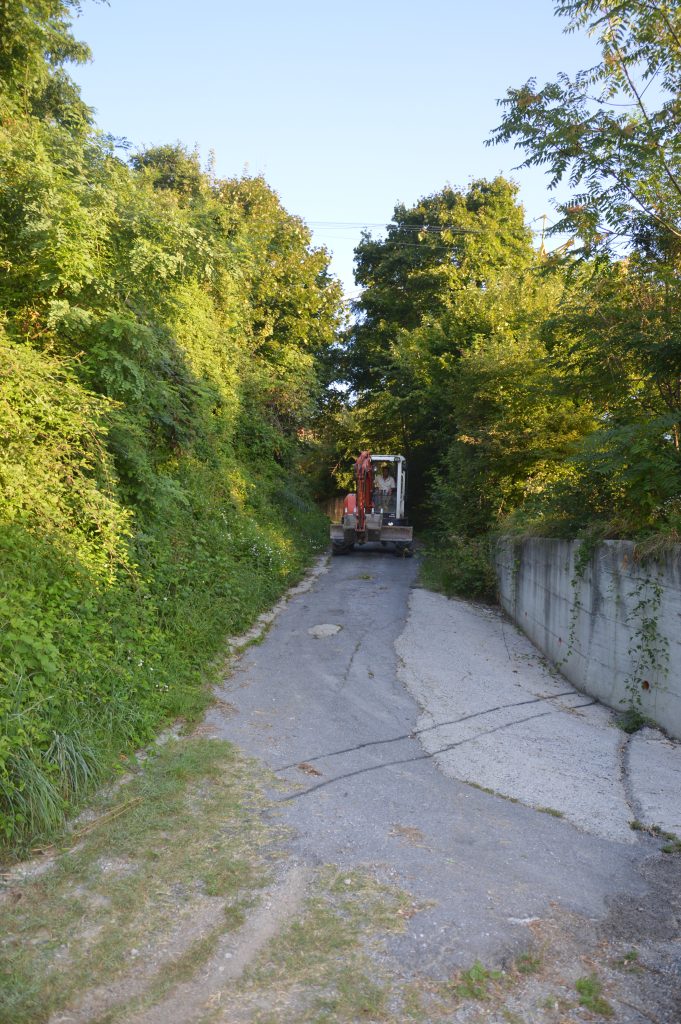
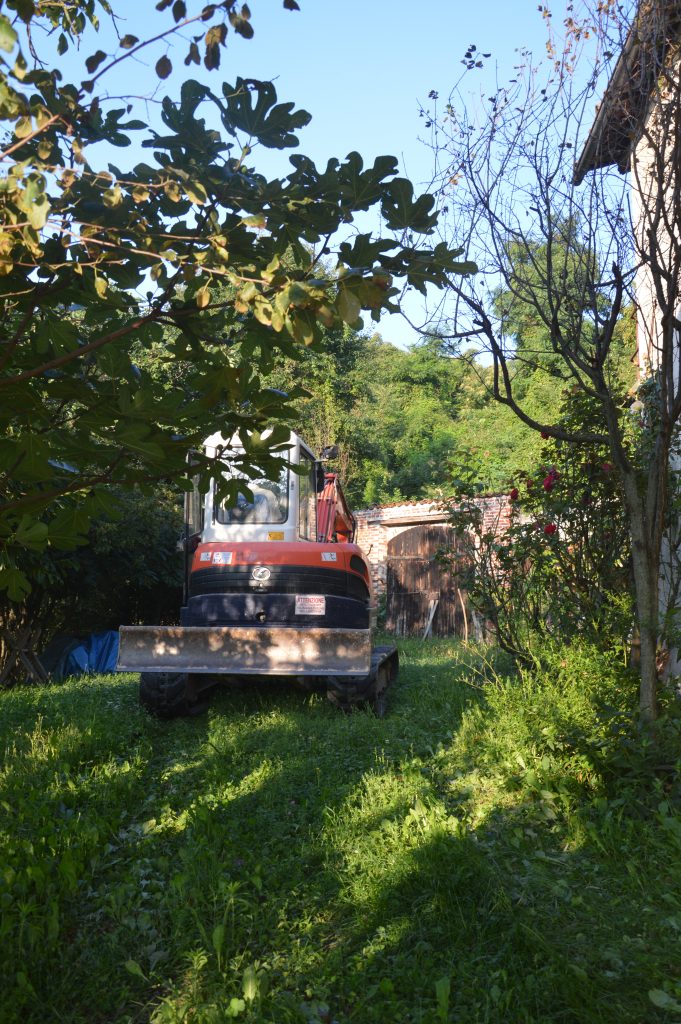
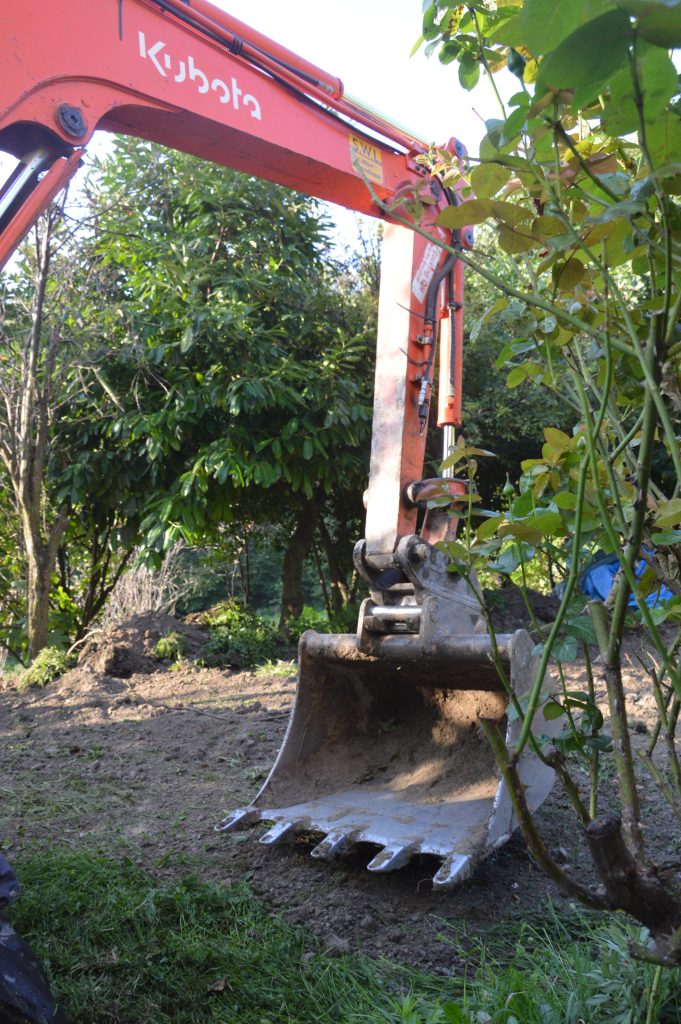
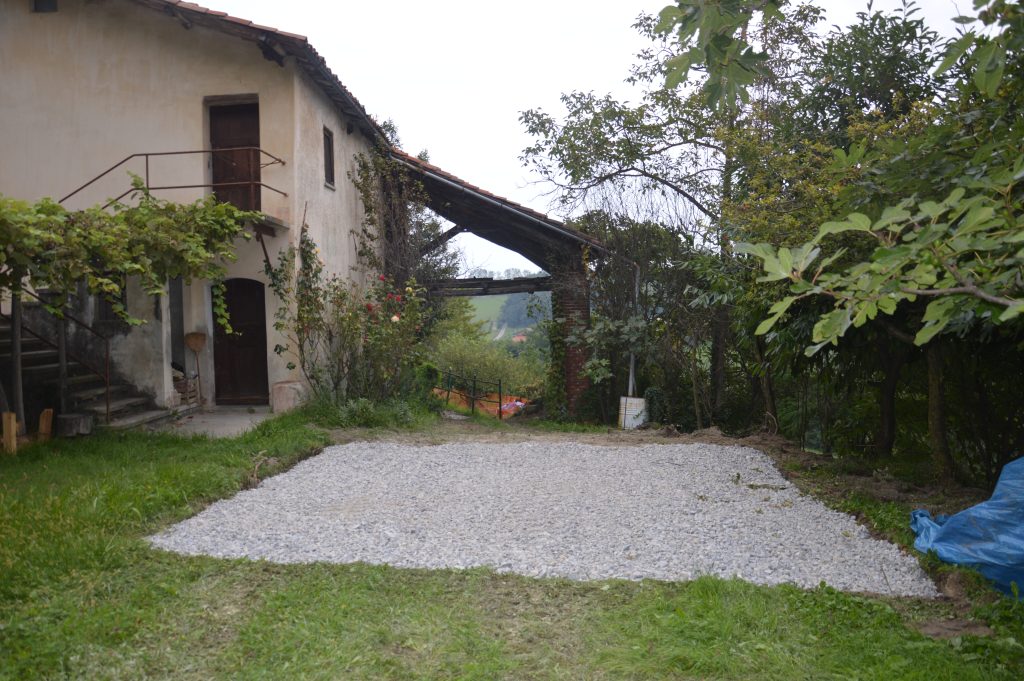
The gru would do the heavy work of lifting bricks, timbers, and countless buckets of concrete over the garden wall and into the worksite. It would carry away every bit of rubble and earth dug from the old floors, every tile and timber from the old roof. It would lower huge chestnut beams gently and precisely into place for the new roof. The gru would tower over the little house and be indispensable in its transformation. But not quite yet. We had broken ground at last, but we waited another month for the crane to arrive.